
Virtual Card Issuing Platform: How to Choose in 2026

Virtual Card Issuing Platform: How to Choose the Right One in 2026
A virtual card issuing platform lets businesses create, distribute, and manage payment cards without physical plastic. Instead of waiting days for a card to arrive by mail, teams can generate a 16-digit card number instantly, assign it to an employee or use case, and start spending within seconds. For fintechs, SaaS platforms, and corporate finance teams, this capability has moved from a nice-to-have to core infrastructure.
The market has matured quickly. Stripe Issuing reports more than 350 million cards created, while Marqeta and Fyatu both emphasize instant issuance, real-time authorization, and API-first workflows. But not every platform fits every business. A startup paying for AI tool subscriptions has different needs than a neobank launching a consumer card program. This guide breaks down what virtual card issuing platforms actually do, the features that matter, and how to evaluate them for your specific use case.
What Is a Virtual Card Issuing Platform?
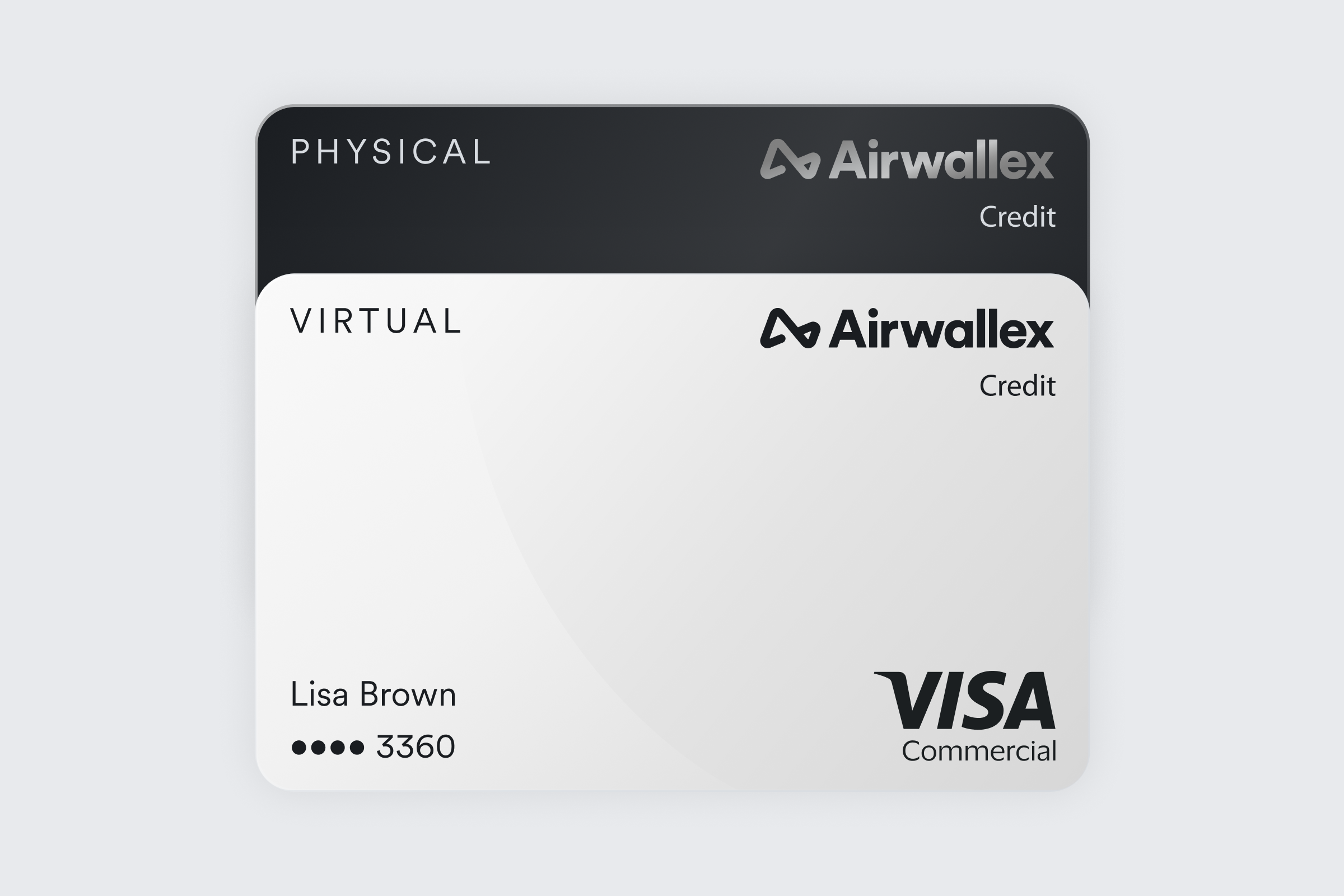
Virtual Card Issuing Platform: How to Choose in 2026 - What Is a Virtual Card Issuing Platform?.
A virtual card issuing platform is software infrastructure that enables organizations to create digital payment cards programmatically. Each virtual card functions like a physical credit or debit card—it has a unique 16-digit number, expiration date, and CVV—but exists only in digital form. Cards can be used online, added to digital wallets like Apple Pay or Google Pay, and in many cases used for in-store contactless payments.
The core value comes from programmatic control. Rather than requesting a card from a bank and waiting for approval, businesses use an API or dashboard to:
- Issue cards instantly, one at a time or in bulk
- Set per-card spending limits, merchant category restrictions, and expiration rules
- Freeze or cancel cards in real time without affecting other cards
- Receive transaction data and webhooks for automated reconciliation
- Attach cards to specific budgets, projects, or employees
This control layer is what separates virtual card issuing from simply handing out corporate credit cards. Finance teams can enforce policy at the card level, not through manual review after the fact.
How Virtual Card Issuing Works
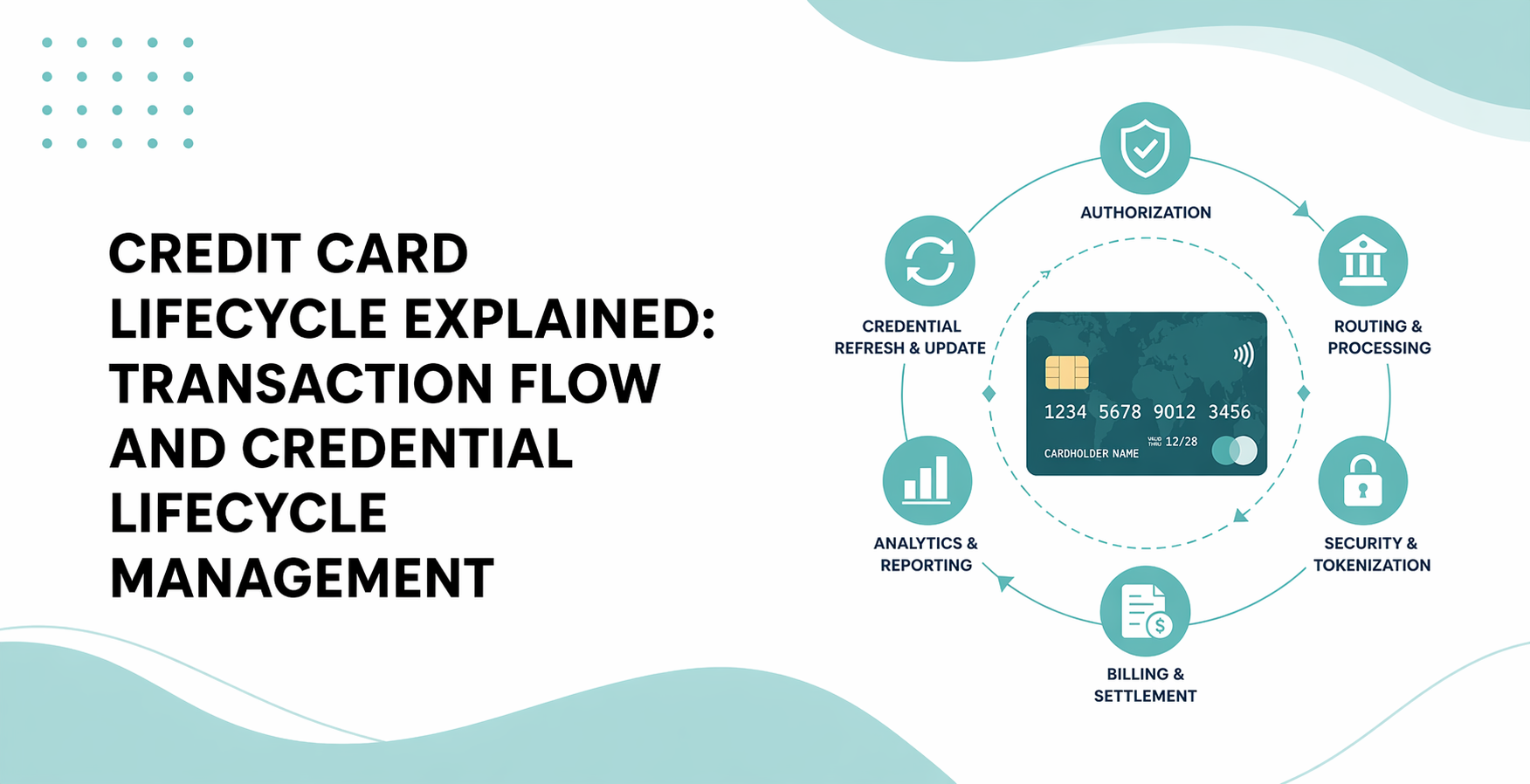
Virtual Card Issuing Platform: How to Choose in 2026 - How Virtual Card Issuing Works.
Most virtual card issuing platforms follow a similar technical flow. The platform sits between your business and the card networks—Visa, Mastercard, or both—and handles the complex relationships with issuing banks, compliance requirements, and transaction processing.
The Two Main Models
Comprehensive program management means the platform handles everything: bank partnerships, regulatory compliance, card network relationships, and transaction processing. You build on top of their infrastructure without needing your own banking licenses. This is the fastest way to launch and works well for startups and platforms that want to embed cards into their product.
Modular issuer processing gives you more control. You maintain your own banking relationships or licenses while using the platform's processing infrastructure. This model suits established fintechs that already have regulatory approvals but want to avoid building card processing from scratch.
Stripe Issuing explicitly offers both models, which reflects a broader industry trend: platforms are becoming more flexible about where they sit in the stack.
The Issuance Flow
When you issue a virtual card, several things happen in sequence:
- Card creation: The platform generates a unique card number and associates it with your account or a specific cardholder.
- Funding configuration: You set how the card will be funded—a shared balance, a per-card allocation, or just-in-time funding that pulls from a designated account at the moment of purchase.
- Control setup: Spending limits, merchant category blocks, and authorization rules are applied.
- Transaction authorization: When the card is used, the platform evaluates the transaction against your rules in real time and approves or declines it.
- Settlement and data: Approved transactions settle through the card network, and transaction data flows back to your dashboard or via webhooks.
Marqeta popularized just-in-time (JIT) funding, where funds are pulled at the moment of authorization rather than pre-loaded. This optimizes cash flow and gives platforms finer control over card-level spending.
Key Features to Evaluate

Virtual Card Issuing Platform: How to Choose in 2026 - Key Features to Evaluate.
Not all virtual card issuing platforms offer the same capabilities. Here are the features that most affect day-to-day operations.
Instant Issuance and Bulk Card Creation
Speed matters. The best platforms let you create a card in seconds through an API call or dashboard action. Bulk issuance is equally important for teams that need to provision dozens or hundreds of cards at once—for example, assigning a separate card to each advertising campaign or each contractor.
Real-Time Spend Controls
Look for platforms that let you set:
- Per-card and per-transaction spending limits
- Daily, weekly, or monthly caps
- Merchant category restrictions (block travel, allow SaaS, etc.)
- Geographic restrictions
- Card freeze and unfreeze capabilities
These controls should be adjustable programmatically, not just through a dashboard. If your finance team has to log in and manually update limits, you lose much of the automation benefit.
API Quality and Documentation
For any team building on top of a card issuing platform, API quality is the single biggest predictor of success. Fyatu's customer testimonials repeatedly emphasize clean documentation, fast integration times, and reliable webhooks. Stripe's reputation is built on developer experience. When evaluating a platform, test the sandbox environment, review the documentation, and check response times before committing.
Multi-Currency and Cross-Border Support
If your business operates across borders, multi-currency settlement matters. Some platforms support cards denominated in multiple currencies, automatic currency conversion, and localized card programs. Stripe Issuing specifically highlights stablecoin-funded card programs as a way to reduce cross-border fees and simplify expansion into new markets.
Digital Wallet Compatibility
Virtual cards become significantly more useful when they work with Apple Pay and Google Pay. This enables in-store contactless payments and makes the card feel more like a traditional payment method. Fyatu lists 3D Secure, Apple Pay, and Google Pay as standard features, and this is increasingly the baseline expectation.
Common Use Cases

Virtual Card Issuing Platform: How to Choose in 2026 - Common Use Cases.
Virtual card issuing platforms serve a wide range of business models. Understanding which category you fall into helps narrow the field.
Expense Management for Teams
Companies issue virtual cards to employees for specific purposes—travel, software subscriptions, advertising, or procurement. Each card has its own budget and restrictions, and finance teams get real-time visibility into every transaction. This replaces the traditional model of shared corporate cards and manual expense reports.
Embedded Finance for SaaS Platforms
Software platforms increasingly embed card issuing into their own products. A payroll platform might issue cards for earned wage access. A logistics platform might issue fuel cards to drivers. A travel platform might issue cards for customer bookings. The platform's customers get a seamless payment experience without leaving the product.
Crypto and Stablecoin-Funded Cards
A growing segment of virtual card issuing focuses on businesses that hold digital assets. These platforms let companies fund cards with stablecoins like USDT and USDC, then spend those funds anywhere Visa or Mastercard is accepted. This bridges the gap between crypto treasury management and everyday operational expenses.
Cardfornia is an example of this category. The Singapore-based platform issues crypto virtual cards specifically for corporate businesses and startups. Organizations fund a single account with stablecoins, issue multi-currency virtual cards to teams at scale, and maintain real-time control over operating expenses. Common use cases include paying for AI tool subscriptions like ChatGPT and Claude, digital advertising on Meta Ads and Google Ads, SaaS subscriptions like AWS and Figma, and global travel and procurement.
For crypto-native companies, this approach solves a real problem: converting stablecoins to fiat for business spending often involves manual transfers, exchange fees, and delays. A stablecoin-funded virtual card platform collapses that process into a single card swipe or online payment. Cardfornia emphasizes high-limit cards for ad spend to reduce account ban risks, automatic multi-currency settlement for SaaS, and client funds held in segregated accounts with third-party licensed custodians. For more on how stablecoin corporate payments work, see Stablecoin Corporate Payments: A 2026 Guide for Businesses.
Agentic Commerce and Autonomous Spending
An emerging use case is AI agents that spend money autonomously. Stripe Issuing explicitly mentions "agentic commerce" as a supported program type. Virtual cards with granular spend controls let AI systems make purchases within predefined guardrails—a pattern that will likely grow as more businesses deploy autonomous agents for procurement, advertising, and operations.
Choosing a Platform: Decision Framework
With multiple strong options available, the right choice depends on your specific situation. Here's a practical framework.
If You're Building a Product on Top of Cards
You need an API-first platform with strong documentation, reliable webhooks, and flexible program management. Stripe Issuing and Marqeta are the established leaders here. Stripe's advantage is its broader ecosystem—you can combine issuing with Treasury, payments, and other financial services. Marqeta's strength is JIT funding and deep customization for complex card programs.
If You Need Cards for Your Own Business Operations
You may not need to build anything. A platform with a strong dashboard and pre-built controls can serve your needs without custom development. Look for instant issuance, per-card limits, and multi-currency support. If your business holds stablecoins, a crypto-native platform like Cardfornia may be more suitable than a general-purpose issuer, because it's designed around stablecoin funding and corporate spend rather than requiring you to convert to fiat first.
If You're a Fintech or Neobank
You likely need both comprehensive program management and the option to bring your own licenses. Evaluate platforms on their bank partnerships, regulatory coverage, and ability to scale. Fyatu positions itself for exactly this audience, with support for multiple BINs, Visa and Mastercard from a single API, and tiered pricing that scales with volume.
Key Questions to Ask Any Provider
Before committing, get clear answers on:
- Regulatory coverage: Which jurisdictions are supported? Who are the underlying bank partners?
- Fund custody: Where are client funds held? Are they segregated? Are they ever lent or invested?
- Card network access: Do you get Visa, Mastercard, or both? Can you choose BINs?
- Pricing model: Is it per-card, per-transaction, interchange share, or a combination?
- Settlement speed: How quickly do transactions settle and funds become available?
- Webhook reliability: What's the uptime SLA? What happens if webhooks fail?
- Dispute handling: Who manages chargebacks and how long does resolution take?
For crypto-funded cards, add questions about stablecoin support, conversion rates, and custody arrangements. Cardfornia, for example, states that client funds are held 100% in segregated accounts with third-party licensed custodians and never lent or invested—a transparency commitment that matters when evaluating any platform that touches client money.
Virtual Cards vs. Physical Cards: When Each Makes Sense
Virtual cards are the default for online spending, but physical cards still have a role.
Choose virtual cards when:
- Spending happens online (SaaS, ads, AI tools, e-commerce)
- You need instant issuance and immediate availability
- You want per-vendor or per-campaign card isolation
- You're issuing cards at scale and physical production would be wasteful
- You need to freeze or rotate cards frequently
Choose physical cards when:
- Employees need to pay in person where contactless isn't accepted
- You need cash withdrawals from ATMs
- Your team travels to regions with limited digital wallet support
- Brand presence matters (a physical card with your logo)
Most platforms support both, and many businesses use a mix: virtual cards for online subscriptions and advertising, physical cards for travel and in-person expenses. For teams managing recurring SaaS billing, One-Click Subscription Setup Card: How It Works in 2026 explains how virtual cards reduce failed renewals and checkout friction.
Security and Compliance Considerations
Card issuing involves real money and sensitive data, so security should be a primary evaluation criterion.
Fund Segregation
Ask where client funds are held. The strongest platforms keep funds in segregated accounts with licensed custodians, separate from the platform's own operating capital. This protects your money if the platform faces financial difficulty. Cardfornia's model—100% segregated accounts with third-party licensed custodians—reflects this best practice.
Regulatory Approvals
Card issuing requires partnerships with licensed banks and compliance with card network rules. Look for platforms that work with partners holding regulatory approvals in the jurisdictions where you operate. Cardfornia notes that its payment, custody, and card-issuing activities are performed through licensed partners with approvals across Hong Kong, the UK, the US, and Canada.
Security Standards
ISO/IEC 27001 is a widely recognized information security standard. Platforms that follow it have implemented systematic controls for data protection, access management, and incident response. Ask about security certifications, penetration testing, and how transaction data is encrypted.
Fraud Prevention
Real-time authorization is your first line of defense. The platform should evaluate every transaction against your rules before approving it. Look for features like:
- Merchant category blocking
- Velocity checks (how many transactions in a time window)
- Geographic restrictions
- Real-time alerts and webhooks for suspicious activity
- SMS or app-based transaction confirmation
Pricing Models Explained
Virtual card issuing platforms typically use one or more of these pricing structures:
- Per-card fees: A fixed cost for each card issued, sometimes with a monthly maintenance fee.
- Transaction fees: A percentage or flat fee per transaction.
- Interchange revenue share: The platform shares a portion of the interchange fees generated by card transactions. This is common in program management models where the platform acts as the program manager.
- Tiered or volume-based pricing: Costs decrease as card volume increases, which benefits platforms scaling from hundreds to millions of cards.
Stripe emphasizes interchange revenue share as a benefit of its program management model. Fyatu highlights tiered pricing that lets customers start small and scale without changing plans. When comparing costs, look beyond the headline fee and calculate total cost of ownership: issuance fees, transaction fees, foreign exchange markups, and any minimum volume commitments.
The Crypto-Native Angle
For businesses that hold USDT, USDC, or other stablecoins, a general-purpose card issuing platform may not be the best fit. Traditional platforms require fiat funding, which means converting crypto to fiat before spending—adding steps, fees, and timing risk.
Crypto-native virtual card platforms solve this by accepting stablecoins directly. The business funds an account with USDT or USDC, and the platform handles conversion at the point of transaction. This is particularly valuable for:
- Crypto companies that receive revenue in stablecoins and want to spend without converting to fiat first
- Ad agencies and media buyers running campaigns across Meta, Google, and TikTok who need high-limit cards and multi-currency settlement
- Remote-first teams paying for SaaS and AI tools across multiple currencies
- Startups that raised funds in crypto and want to preserve their treasury in stablecoins while covering operating expenses
Cardfornia's positioning in this space is specific: corporate virtual cards funded by stablecoins, with high limits for ad spend, automatic multi-currency settlement, and real-time currency exchange for cross-border transactions. The platform's founding team brings experience from a well-known crypto card background, and the company emphasizes channel stability and fund transparency as core values.
For ad agencies specifically, Crypto Payment Cards for Ad Agencies: A 2026 Guide covers how virtual cards can reduce declines and manage multi-currency ad spend. If you're comparing stablecoin platforms more broadly, USDC Similar Tools: 7 Stablecoin Platforms Compared in 2026 provides a wider view of the landscape.
Implementation Timeline: What to Expect
How long does it take to get started? It depends on your approach.
Dashboard-only setup: If you're using a platform for your own business spending, you can often create an account, complete KYC, fund your balance, and issue your first card within a day. This is the fastest path and requires no development work.
API integration: For teams building cards into their own product, integration time varies. Fyatu's customers report integration in as little as three days with clean documentation. Stripe's customers mention getting up and running in under three weeks. Realistic expectations: one to four weeks for a basic integration, longer for complex customizations.
Full card program launch: If you're launching a consumer or commercial card program with custom branding, compliance review, and bank partnerships, expect a longer timeline—typically one to three months depending on regulatory requirements and the complexity of your program.
Related reading
- Meta Ads Crypto Payment: How to Pay with USDC in 2026 - Learn how to pay for Meta Ads with USDC and stablecoins, which wallets work, policy rules for crypto advertisers, and virtual card alternatives for teams.
Sources and further reading
- Stripe Issuing | Virtual and Physical Card Issuing Platform - Build card programs that scale by offering your own virtual and physical cards online in seconds using the Stripe Issuing API and just a few lines of code.
- Virtual Card Issuing Platform | Marqeta - Instantly create and issue virtual cards with Marqeta. Minimize fraud, cut costs, and create real-time, customized payments.
- Virtual Card Issuing Platform — Visa & Mastercard API | Fyatu - Fyatu is a virtual card issuing platform. Issue virtual, prepaid, and debit Visa & Mastercard cards via one REST API — 3D Secure, Apple Pay & Google Pay ready. Built for fintechs, neobanks, and card program operators.
Frequently Asked Questions
What is the difference between a virtual card and a physical card?
A virtual card exists only in digital form—it has a card number, expiration date, and CVV but no physical plastic. It can be used for online purchases and added to digital wallets for contactless payments. A physical card is a traditional plastic card that can be swiped, dipped, or tapped at point-of-sale terminals.
Can virtual cards be used for in-person purchases?
Yes, if the card is added to a digital wallet like Apple Pay or Google Pay. The wallet stores the card details securely and enables contactless payments at compatible terminals. Not all virtual cards support wallet provisioning, so check this feature if in-person spending matters to your team.
How do virtual card issuing platforms make money?
Most platforms earn revenue through a combination of per-card fees, transaction fees, interchange revenue share, and sometimes foreign exchange markups. Some use tiered pricing where costs decrease as volume increases. Always ask for a complete fee schedule before committing.
Are virtual cards safe for business spending?
Virtual cards are generally safer than physical cards for online spending because each card can have its own limits, merchant restrictions, and freeze controls. If a card number is compromised, you can cancel it without affecting other cards. The key is choosing a platform with strong security practices and segregated fund custody.
Can I fund virtual cards with cryptocurrency?
Yes, some platforms specialize in stablecoin-funded virtual cards. These platforms accept USDT, USDC, or other stablecoins and convert them to fiat at the point of transaction. This is particularly useful for crypto-native businesses that want to avoid manual conversion steps. Cardfornia is one example, designed specifically for corporate businesses and startups that hold stablecoins.
What's the minimum volume to start issuing virtual cards?
It varies by platform. Some platforms have no minimum and allow you to start with a single card. Others require minimum monthly volumes or have tiered pricing that becomes more economical at scale. If you're a small team, look for platforms with low or no minimums and transparent per-card pricing.
How do virtual cards help with subscription management?
Virtual cards let you assign a unique card to each subscription. If a vendor raises prices unexpectedly or you want to cancel, you can freeze or close that specific card without affecting other subscriptions. This also reduces the blast radius if one card number is compromised. For teams managing many SaaS tools, this isolation is a significant operational advantage.
Conclusion
A virtual card issuing platform is no longer just a payment tool—it's a control layer for how modern businesses spend money. Whether you're a fintech embedding cards into your product, a startup managing SaaS and AI tool subscriptions, or a crypto-native company bridging stablecoins to everyday expenses, the right platform gives you instant issuance, granular controls, and real-time visibility.
The evaluation process comes down to a few core questions: Does the platform support your funding model (fiat, stablecoin, or both)? Does it offer the spend controls your finance team needs? Is the API reliable enough to build on? And are client funds held in a way that protects your business?
For crypto-native teams, the answer increasingly points to purpose-built platforms like Cardfornia, which combine stablecoin funding with corporate-grade controls and multi-currency settlement. For traditional fintechs and SaaS platforms, Stripe Issuing and Marqeta remain strong defaults with proven scale. Whichever path you choose, the key is to test the platform with real transactions before committing—sandbox environments exist for a reason, and the best platforms make that testing process fast and transparent.
To understand how virtual cards fit into a broader blockchain payment strategy, see Blockchain Payments in 2026: How Businesses Can Get Started. For teams managing high-volume ad spend, High Limit Crypto Cards in 2026: Limits, Fees & How to Choose offers a deeper comparison of limits and fee structures.