
Blockchain Payments in 2026: How Businesses Can Get Started
Blockchain Payments in 2026: How Businesses Can Get Started
Money has moved through banks, card networks, and clearinghouses for decades, with each intermediary adding cost and delay. Blockchain payments replace those layers with a shared, tamper-resistant ledger where value can move directly between parties, settle in minutes, and operate around the clock. For businesses, that means fewer fees on cross-border transfers, faster access to funds, and new options for managing operating capital.
This guide explains what blockchain payments are, how the underlying systems work, the main types of payment infrastructure, and the practical steps to start using them in a business context.
What Are Blockchain Payments?
Blockchain Payments in 2026: How Businesses Can Get Started - What Are Blockchain Payments?.
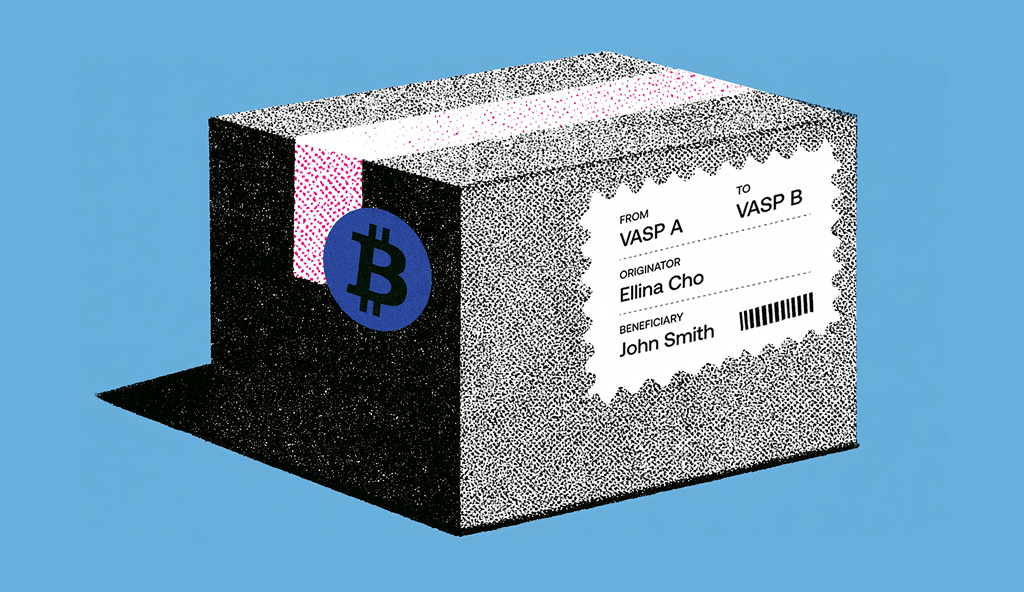
A blockchain payment moves value over a decentralized network rather than through banks or card networks. The sender initiates a transaction from a digital wallet, network nodes verify that the funds exist and have not been double-spent, and the transaction is recorded permanently on a shared ledger. The recipient's wallet balance updates once the transaction is confirmed.
This design was first outlined in 2008 when Bitcoin's creator described it as a peer-to-peer electronic cash system with no trusted third party. That principle still underpins blockchain payments today, whether they use Bitcoin, stablecoins, or another digital asset.
The key difference from traditional payments is settlement. A legacy cross-border transfer can take two to five business days as it passes through correspondent banks. A blockchain payment typically settles in minutes, and the network never closes for weekends or holidays.
How a Blockchain Payment Works: Step by Step
Blockchain Payments in 2026: How Businesses Can Get Started - How a Blockchain Payment Works: Step by Step.
Understanding the payment journey helps finance teams evaluate where blockchain fits into their existing stack. The process follows a consistent sequence regardless of the specific network.
- Initiate the payment. The sender opens their wallet, enters the recipient's public address, and specifies the amount.
- Broadcast to the network. The wallet signs the transaction with the sender's private key and broadcasts it to the blockchain.
- Verify the transaction. Nodes across the network confirm that the sender has sufficient balance and has not attempted to spend the same funds twice.
- Add to a block. Validated transactions are grouped into a block awaiting confirmation.
- Confirm the block. Miners in proof-of-work systems or validators in proof-of-stake systems confirm the block, making it permanent.
- Complete settlement. The updated ledger is distributed across the network, and the recipient's wallet reflects the new balance.
Each transaction generates a unique hash that proves it was validated and added to the chain. This creates an auditable, time-stamped record that finance teams can use for reconciliation without waiting for third-party reports.
Types of Blockchain Payment Systems
Blockchain Payments in 2026: How Businesses Can Get Started - Types of Blockchain Payment Systems.
Blockchain-based payments come in several forms, each with distinct infrastructure, trade-offs, and adoption patterns. Businesses typically choose based on stability requirements, transaction speed, and customer preferences.
Cryptocurrencies
Bitcoin and other native cryptocurrencies were the original blockchain payment vehicles. They enable direct peer-to-peer transfers without intermediaries and work globally for anyone with internet access. Once confirmed, transactions are irreversible.
The main drawback for business use is price volatility. A payment worth $100 at checkout might be worth $95 or $105 by the time it settles, which makes pricing goods and services difficult. For this reason, most operational business payments have shifted toward stablecoins.
Stablecoins
Stablecoins are cryptocurrencies pegged to a stable asset, usually a fiat currency such as the US dollar or euro. Popular examples include USDC and USDT. They were built specifically to solve crypto's volatility problem while preserving blockchain's speed, low cost, and global reach.
A payment of 100 USDC today will still be worth roughly $100 tomorrow. This makes stablecoins the preferred option for cross-border trade, payroll, supplier payments, and high-volume settlement. Stablecoin adoption is particularly strong in emerging markets, where they account for a significant share of crypto transaction volume.
Central Bank Digital Currencies (CBDCs)
CBDCs are government-issued digital money that can be built on a blockchain or another distributed ledger. They combine central bank backing with the efficiency of digital rails. More than 130 countries and currency unions are exploring CBDCs, with Nigeria, the Bahamas, and Jamaica already operating live retail versions. However, most CBDCs remain tightly controlled and permissioned, and broad adoption is still years away in most economies.
Layer 2 Networks
Layer 2 networks run on top of base blockchains to improve speed and reduce cost. They are ideal for high-frequency, low-value payments that would be too expensive or slow on the base chain. The Lightning Network for Bitcoin, for example, sends transactions off-chain and then settles the final balance on the main chain, making payments nearly instant and almost fee-free.
Benefits of Blockchain Payments for Businesses
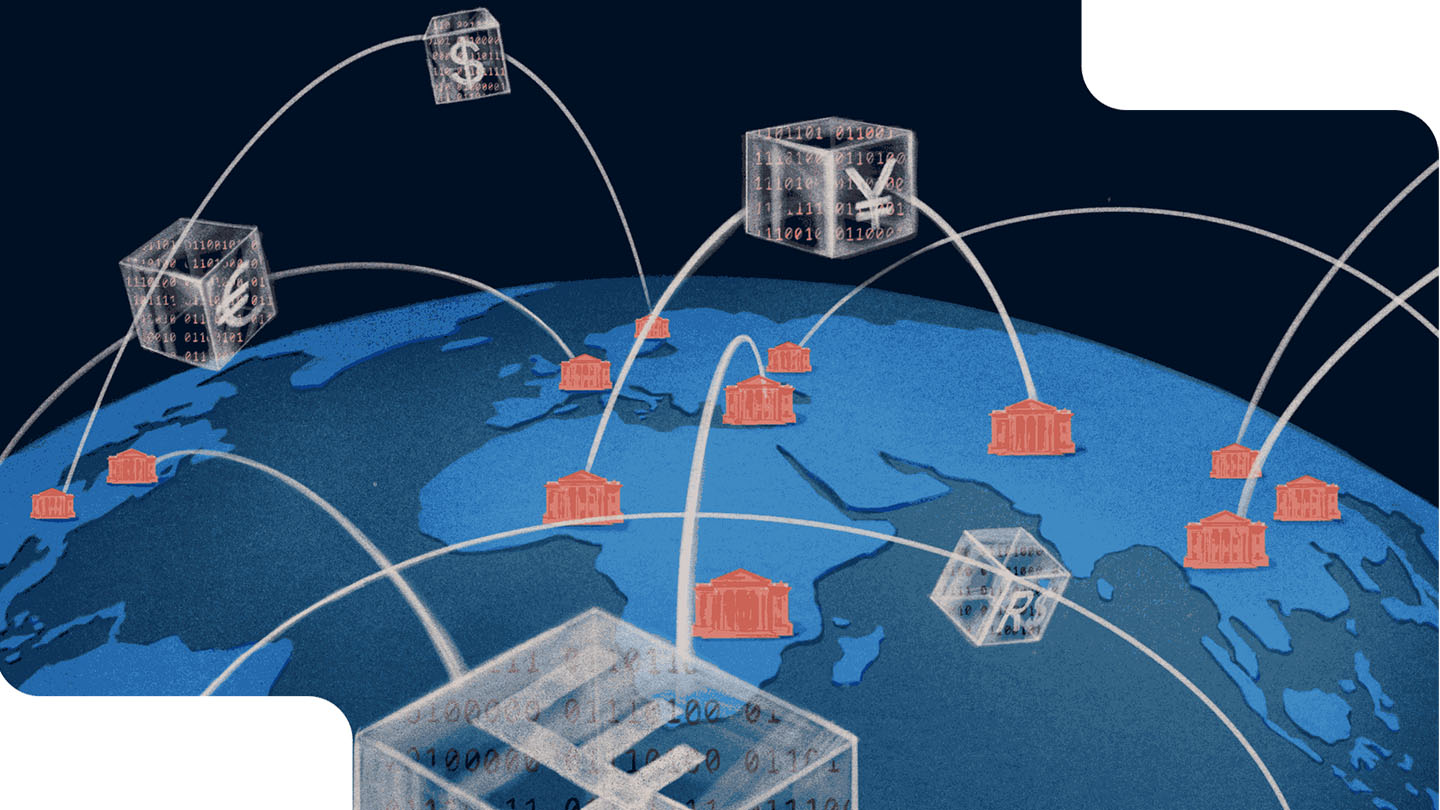
Blockchain Payments in 2026: How Businesses Can Get Started - Benefits of Blockchain Payments for Businesses.
Blockchain payments change the economics of moving money, especially across borders. The most significant advantages fall into six categories.
Faster Settlement and 24/7 Availability
Traditional payment rails operate on business hours and can take days to settle. Public blockchains run continuously and confirm transactions in seconds or minutes. This means a supplier in another country can receive funds on a Sunday night, and a finance team can close the books the same day.
Lower Cross-Border Costs
Eliminating correspondent banks reduces fees substantially for international payments. Network fees can spike during congestion, but blockchain remains cost-competitive or cheaper than legacy methods for many high-value or cross-border transactions.
Global Reach Without Bank Accounts
Anyone with an internet connection can send or receive blockchain payments, with no bank account required. More than 560 million people were estimated to own cryptocurrency globally in 2024, and stablecoins are seeing particularly strong adoption in regions where traditional banking access is limited.
Finality and Reduced Chargeback Risk
Once confirmed, blockchain transactions are effectively irreversible. This removes chargeback risk for merchants and reduces fraud-related losses. The cryptographic security and decentralized consensus model make transactions extremely difficult to tamper with.
Transparency and Auditability
Every public blockchain payment is visible on the ledger, time-stamped, and traceable. Finance teams can monitor payment flows directly in real time, which simplifies reconciliation, audits, and compliance reporting.
Programmability
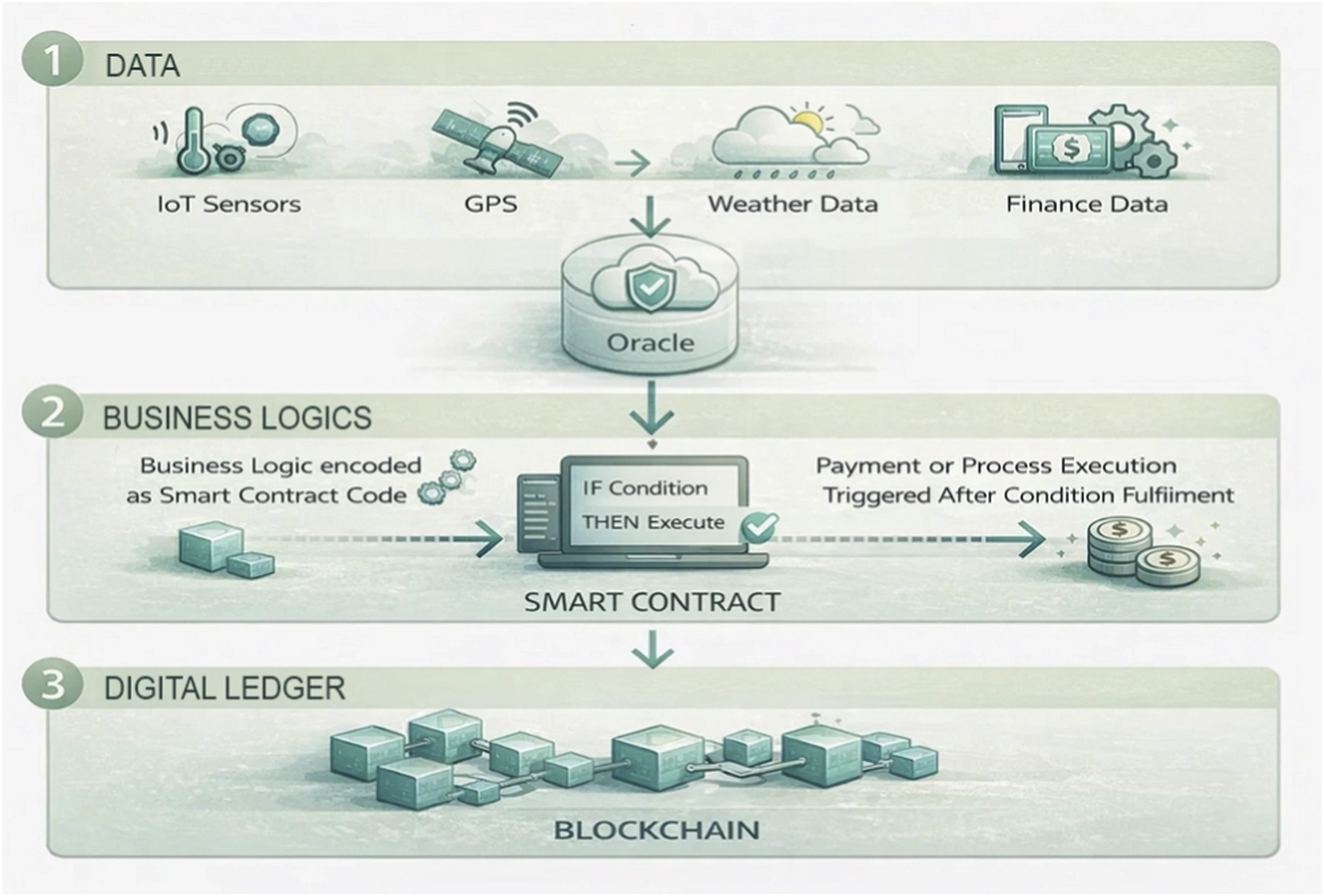
Smart contracts on networks like Ethereum allow payments to be tied to conditions or automated workflows. Businesses can program escrow that releases funds on delivery, instant revenue splits between collaborators, or usage-based micropayments for digital services. This automation reduces administrative overhead and enables models that traditional rails cannot support.
Challenges to Consider Before Adopting Blockchain Payments
Blockchain payments are not a drop-in replacement for every payment flow. Several practical issues deserve attention before implementation.
- Volatility management. If you accept volatile cryptocurrencies, you need a conversion strategy to avoid holding assets that can lose value before settlement.
- Compliance obligations. Know Your Customer (KYC) and Anti-Money Laundering (AML) rules still apply. Businesses need to understand their regulatory exposure in each jurisdiction where they operate.
- Wallet security and key management. Self-custody means full control but also full responsibility. Losing a private key means losing access to funds permanently.
- Integration complexity. Direct blockchain acceptance requires technical resources to monitor incoming payments and manage wallets. Payment processors can abstract this away, but at a cost.
- Network congestion and fees. Some blockchains experience fee spikes during high demand. Layer 2 networks and stablecoin rails mitigate this, but the choice of network matters.
How Businesses Can Accept Blockchain Payments
The right acceptance method depends on risk tolerance, technical resources, and customer base. Three main approaches exist.
Direct Acceptance
You set up your own cryptocurrency wallet and share the address or QR code with customers. Payments arrive directly without intermediaries, and you avoid processor fees. This gives full control over funds but requires handling wallet security, key management, and blockchain monitoring yourself. It works best for businesses comfortable with crypto custody or those that want to hold crypto as part of their treasury.
Payment Processor or Gateway
You integrate a third-party provider into checkout. The provider manages the crypto transaction, handles wallet security and compliance, and settles in your preferred currency. This eliminates volatility risk by instantly converting crypto or stablecoin payments into fiat and is easier to integrate with ecommerce platforms via APIs or plugins. It works best for businesses that want a low-friction entry point.
Stablecoin-Only Acceptance
You limit crypto acceptance to stablecoins like USDC and USDT. This removes volatility risk while keeping blockchain's speed and low cost. Stablecoin-only acceptance is increasingly popular for B2B payments, where both parties want predictable value and fast settlement.
From Accepting Payments to Spending Them: The Corporate Card Layer
Accepting blockchain payments is only half the equation. Many crypto-native businesses also need to spend those funds on everyday operating expenses: SaaS subscriptions, cloud infrastructure, digital advertising, and travel. That is where corporate virtual cards built on stablecoin rails become useful.
Platforms like Cardfornia address this operational gap. A business can fund a single account with stablecoins such as USDT or USDC, then issue multi-currency virtual cards to teams at scale. Those cards work wherever major card networks are accepted, which means blockchain-held funds can pay for AI tool subscriptions, digital advertising, and cloud services without first converting to fiat through a manual process.
This model is particularly relevant for crypto-native companies and globally scaling businesses that want to keep working capital in stable assets while maintaining real-time control over operating expenses. The approach combines blockchain's settlement speed and transparency with the acceptance footprint of traditional card networks.
For teams managing large ad budgets, high-limit crypto cards can reduce the account ban risks that come with using consumer cards for Meta, Google, or TikTok spend. For ad agencies running multi-currency campaigns, automatic settlement across currencies removes a layer of manual reconciliation.
Blockchain Payments vs. Traditional Payment Rails
To decide where blockchain fits, compare the two models across the dimensions that matter most to a finance team.
| Dimension | Traditional Rails | Blockchain Payments |
|---|---|---|
| Settlement time | 2–5 business days for cross-border | Minutes, 24/7 |
| Intermediaries | Banks, correspondent banks, clearinghouses | None or minimal |
| Cross-border fees | Often 3–7% including FX | Network fees only, typically under 1% |
| Chargeback risk | Present | Effectively none after confirmation |
| Auditability | Requires third-party reports | Real-time on-chain visibility |
| Volatility | Stable fiat | Depends on asset; stablecoins eliminate it |
| Programmability | Limited | Smart contracts enable automation |
The practical takeaway: blockchain is strongest for cross-border settlement, high-value transfers, and any flow where speed and transparency matter. Traditional rails remain dominant for domestic consumer checkout, where familiarity and chargeback protections still carry weight.
Getting Started: A Practical Checklist
For businesses evaluating blockchain payments in 2026, a phased approach reduces risk.
- Define the use case. Are you paying international suppliers, accepting customer payments, or managing internal treasury? Each use case points to different infrastructure.
- Choose the asset. For most operational payments, stablecoins like USDC or USDT are the practical default. Volatile cryptocurrencies are better suited to treasury or investment strategies.
- Select an acceptance method. Direct acceptance, a payment processor, or stablecoin-only rails each have distinct trade-offs in control, complexity, and cost.
- Address compliance. Work with providers that handle KYC and AML obligations, or build internal processes if you self-custody.
- Plan the spend side. If you hold stablecoins, decide how those funds will cover operating expenses. Corporate virtual cards bridge blockchain-held capital with everyday business spending.
- Start small. Pilot with a single corridor or payment type, measure settlement times and costs, then expand.
Related reading
- Business Crypto Card Management: A 2026 Playbook - Learn how to manage business crypto cards for ads, SaaS, AI tools, and travel. Compare providers, reduce fraud risk, and automate spend with stablecoins.
Sources and further reading
- 12 Companies Using Blockchain Payments to Send Your Money - In the finance world, blockchain began making its mark with the rise of cryptocurrency, but it has since branched out to create a numerous global payment systems with the same technology — known as blockchain payments.
Frequently Asked Questions
What is a blockchain payment?
A blockchain payment is a transfer of digital assets from one wallet to another over a decentralized network. The transaction is verified by network nodes, recorded on a shared ledger, and settled in minutes without banks or card networks as intermediaries.
Are blockchain payments safe?
Blockchain payments use cryptographic security and decentralized consensus, which makes confirmed transactions extremely difficult to tamper with or reverse. The main risks are user-side: losing private keys, sending to the wrong address, or using unsecured wallets. Custodial providers and payment processors can mitigate these risks.
What is the difference between crypto payments and stablecoin payments?
Crypto payments use volatile assets like Bitcoin or Ether, whose value can change between initiation and settlement. Stablecoin payments use assets pegged to fiat currency, such as USDC or USDT, which maintain a stable value and are better suited for pricing goods and services.
How long does a blockchain payment take to settle?
Settlement time depends on the network. Many blockchains confirm transactions in seconds to minutes. Layer 2 networks can be nearly instant. This compares with two to five business days for traditional cross-border transfers.
Can businesses use blockchain payments for everyday expenses?
Yes. Corporate virtual cards funded with stablecoins allow businesses to spend blockchain-held capital on SaaS subscriptions, cloud services, digital advertising, and travel anywhere major card networks are accepted. This bridges digital assets with everyday business spending without manual fiat conversion.
What are the costs of blockchain payments?
Blockchain payments eliminate intermediary fees such as correspondent bank charges. The remaining cost is the network fee, which varies by blockchain and network congestion. Layer 2 networks and efficient stablecoin rails typically keep fees under 1% for most transactions.
Conclusion
Blockchain payments have moved from experimental technology to practical business infrastructure. The core value is simple: value moves directly between parties, settles in minutes, and operates around the clock, with lower cross-border costs and full on-chain visibility. Stablecoins have solved the volatility problem that once made crypto impractical for everyday commerce, and corporate virtual cards now extend that utility to the spending side of the balance sheet.
For businesses, the path forward is not an all-or-nothing switch. It is a phased adoption: identify the use case, choose stable assets, select the right acceptance and spending infrastructure, and pilot before scaling. The companies that treat blockchain as a complement to existing rails rather than a replacement will be best positioned to capture its speed and cost advantages in 2026 and beyond.
For a deeper look at how stablecoins are reshaping B2B payments, see Stripe's overview of blockchain payment infrastructure and BVNK's step-by-step guide to the blockchain payment journey.