
How to Simplify Business Crypto Payments in 2026

How to Simplify Business Crypto Payments in 2026
Business crypto payments have moved far beyond the experimental Bitcoin checkout button. Today, companies use stablecoins such as USDC and USDT to pay suppliers, fund advertising campaigns, cover SaaS subscriptions, and manage global team expenses without waiting on slow correspondent banks or absorbing volatile currency swings. Yet for many finance teams, crypto payments still feel like a patchwork of wallets, exchanges, manual approvals, and reconciliation headaches.
The good news: the infrastructure has matured. Stablecoin payment volume reached roughly $5.7 trillion in 2025, and B2B transactions now dominate the stablecoin cross-border market. What businesses need now is not another wallet, but a simpler operating model: one account, predictable settlement, and spending tools that plug into the workflows teams already use.
This guide explains how to simplify business crypto payments in 2026, what to look for in a provider, and where corporate virtual cards fit into the picture.
What Makes Business Crypto Payments Complicated

How to Simplify Business Crypto Payments in 2026 - What Makes Business Crypto Payments Complicated.
Most crypto payment friction does not come from the blockchain itself. It comes from how businesses try to use it. Common pain points include:
- Multiple wallets and exchanges for different currencies, each with its own login, approval flow, and reporting format.
- Volatile settlement when payments are made in assets like Bitcoin or Ether, forcing finance teams to track gains and losses on every transaction.
- Manual reconciliation between on-chain activity, exchange statements, and accounting software.
- Card declines and account bans when businesses use consumer crypto cards for high-volume ad spend or subscriptions.
- Compliance uncertainty around custody, licensing, and fund segregation.
Simplifying crypto payments means removing these operational layers. The goal is to make a crypto-funded payment behave as predictably as a fiat card transaction, while keeping the speed and global reach of stablecoin rails.
Start with Stablecoins, Not Volatile Assets

How to Simplify Business Crypto Payments in 2026 - Start with Stablecoins, Not Volatile Assets.
The single most effective simplification step is to standardize on stablecoins. USDC and USDT are pegged to the US dollar, which means a $500 payment stays $500 between initiation and settlement. This removes the tax and accounting complexity of spending volatile cryptocurrencies.
Stablecoins also settle faster than traditional bank transfers. A cross-border payment that might take two to four business days through correspondent banking can settle in minutes on a stablecoin rail. For businesses paying freelancers, suppliers, or overseas subsidiaries, that speed directly reduces working capital tied up in transit.
A practical approach:
- Hold operating funds in USDC or USDT.
- Convert to fiat only when a payment requires it.
- Use a provider that locks the exchange rate at the moment of payment, so the amount deducted matches the amount sent.
This model is what leading payment gateways now offer. For example, Triple-A lets merchants accept crypto while receiving local-currency settlement the next day, removing the need to hold digital assets on the balance sheet. Stripe's crypto infrastructure similarly abstracts blockchain complexity behind APIs, so businesses can enable stablecoin payouts without managing liquidity or gas fees themselves.
Choose the Right Payment Model for Your Business

How to Simplify Business Crypto Payments in 2026 - Choose the Right Payment Model for Your Business.
Not every business needs the same crypto payment setup. The right model depends on whether you are collecting payments, making payments, or both.
Model 1: Accept Crypto, Settle in Fiat
Best for e-commerce brands and service providers that want to reach crypto-paying customers without holding digital assets. The gateway converts incoming crypto to local currency and deposits it into your bank account. This keeps accounting simple and eliminates volatility risk.
Model 2: Hold Stablecoins and Spend Directly
Best for crypto-native companies, Web3 startups, and businesses that already receive revenue in stablecoins. Instead of converting to fiat and then spending, you keep funds in USDC or USDT and use corporate virtual cards or direct stablecoin transfers to pay for operating expenses.
Model 3: Hybrid Treasury with On/Off-Ramps
Best for companies that need to move between crypto and fiat frequently. Providers like BVNK and Fipto offer treasury tools that let businesses manage stablecoin balances, convert to bank accounts when needed, and automate the flow between rails.
The key simplification principle: pick one model and build your workflows around it, rather than running all three simultaneously with different providers.
Corporate Virtual Cards: The Missing Layer for Crypto Spending
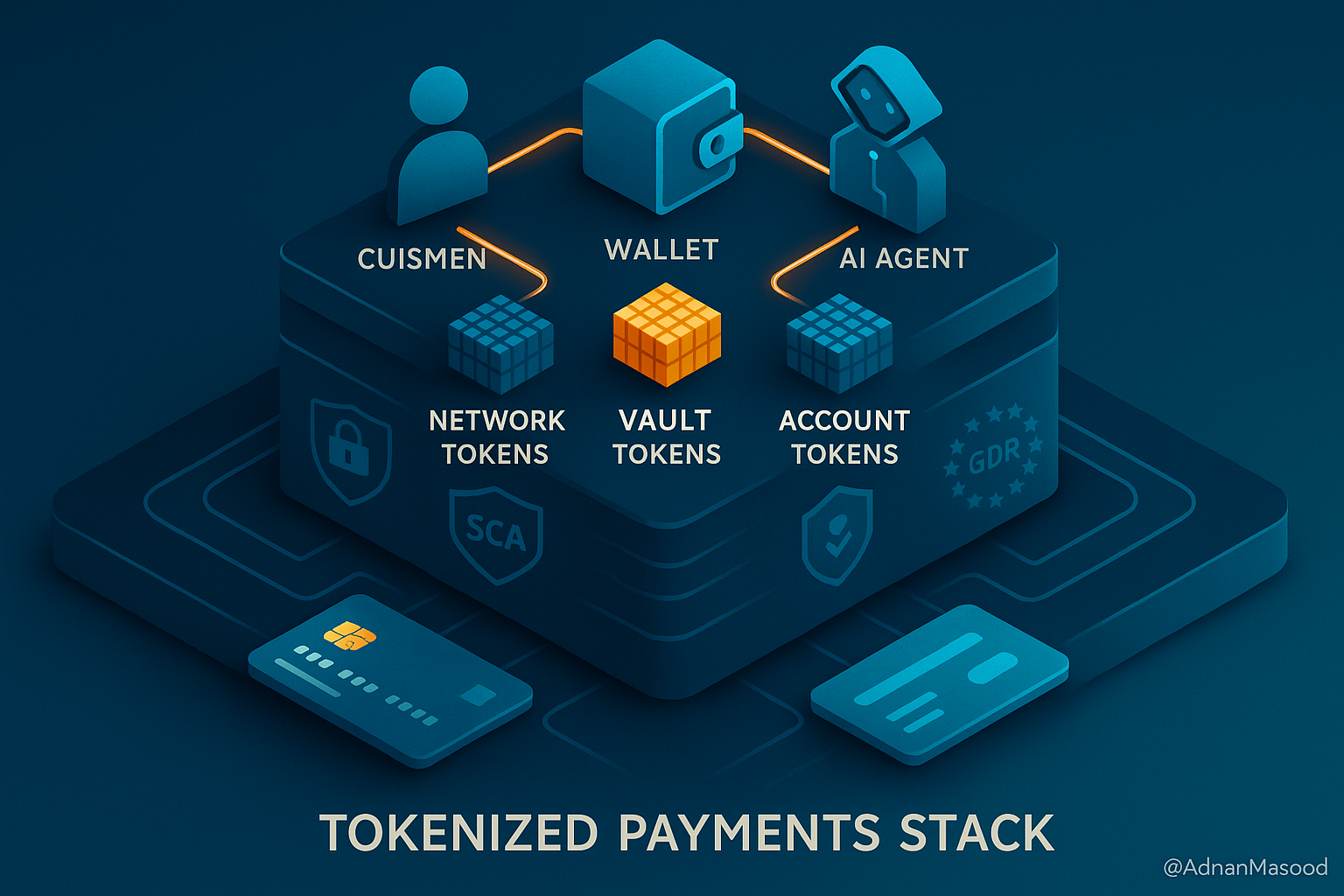
How to Simplify Business Crypto Payments in 2026 - Corporate Virtual Cards: The Missing Layer for Crypto Spending.
For many businesses, the biggest simplification win is replacing manual stablecoin transfers with corporate virtual cards. A crypto-funded virtual card works like a standard business card: it has a card number, expiry date, and CVV, and it works anywhere Visa or Mastercard is accepted. The difference is the funding source: a stablecoin balance instead of a bank account.
This single change eliminates several layers of friction:
- No manual wallet-to-wallet transfers for every SaaS subscription or ad platform top-up.
- No currency conversion at the point of spend when the card handles multi-currency settlement automatically.
- No shared company card chaos because finance teams can issue unique cards per team, vendor, or campaign.
- No surprise charges because limits and controls are set per card in real time.
Platforms like Cardfornia are built specifically for this use case. Businesses fund a single account with USDT or USDC, then issue multi-currency virtual cards to teams at scale. That model works well for crypto-native companies that need to pay for AI tool subscriptions such as ChatGPT, Claude, and Midjourney, run digital advertising on Meta, Google, and TikTok, or cover cloud services like AWS and Azure without converting stablecoins to fiat first.
For a deeper look at how this works in practice, see Cardfornia Review 2026: Crypto Corporate Cards Tested.
Simplify Ad Spend with Dedicated Virtual Cards
Digital advertising is one of the most painful areas for businesses paying with crypto. Ad platforms are sensitive to payment method changes, and using a single card across multiple ad accounts can trigger fraud flags and account bans.
The fix is dedicated virtual cards: one card per ad account, platform, or campaign. This isolates spend, makes budget tracking trivial, and reduces the blast radius if a card is flagged. Crypto-funded cards add another advantage: you can top up an ad budget in stablecoins and avoid the delays of bank-funded prepaid cards.
This approach is covered in detail in Dedicated Virtual Cards for Ads: Smarter Media Buying in 2026. The short version: if you spend more than a few thousand dollars a month on paid acquisition, dedicated cards are no longer optional.
What to Look for in a Crypto Payment Provider
When evaluating providers, focus on four areas that directly affect day-to-day simplicity.
1. Licensing and Fund Segregation
Check where the provider is licensed and how client funds are held. The strongest setups keep client funds in segregated accounts with third-party licensed custodians, never lent or invested. Regulatory approvals in major jurisdictions such as Singapore, Hong Kong, the UK, the US, and Canada signal a higher bar for compliance. Coinbase Business, for example, operates under multiple licenses across those regions.
2. Settlement Options
Ask whether the provider settles in stablecoins, local currency, or both. If you hold stablecoins, you want a provider that lets you keep them. If you prefer fiat, you want locked-in exchange rates and predictable settlement timing.
3. Card Issuing and Spend Controls
If you plan to spend crypto rather than just accept it, card issuing is the feature that matters most. Look for multi-currency virtual cards, per-card limits, real-time controls, and high limits for ad spend. These features turn a crypto balance into a usable operating account.
4. Integration and Reporting
A payment provider that does not integrate with your accounting stack creates new work. Look for transaction exports, API access, and clear reporting that maps crypto activity to the same categories you use for fiat spend.
Comparison: Gateway vs. Corporate Card Platform
| Need | Crypto Payment Gateway | Corporate Virtual Card Platform |
|---|---|---|
| Accept customer payments in crypto | Yes, core function | No |
| Settle in local currency | Yes, typically | Not the primary focus |
| Spend stablecoins on SaaS, ads, travel | Limited | Yes, core function |
| Issue cards to teams at scale | Rarely | Yes |
| Manage multi-currency FX automatically | Varies | Yes |
| Hold funds in segregated custody | Varies by provider | Yes, with licensed custodians |
Many businesses use both: a gateway for incoming customer payments and a corporate card platform for outgoing operational spend. The two tools solve different sides of the same problem.
A Practical Workflow for Crypto-Native Teams
Here is a simplified operating model that works for many Web3 and AI startups:
- Receive revenue in USDC or USDT from customers, token sales, or exchange withdrawals.
- Fund one corporate account with the stablecoin balance.
- Issue dedicated virtual cards for each major spend category: one for Meta Ads, one for Google Ads, one for AWS, one for AI tool subscriptions.
- Set per-card limits that match the monthly budget for each category.
- Let the card platform handle FX when a vendor bills in EUR, GBP, or another currency.
- Export transactions monthly for accounting, with every card mapped to a cost center.
This workflow removes the manual steps that make crypto payments feel complicated: no per-payment wallet transfers, no manual conversion before each purchase, and no shared card chaos.
Common Mistakes to Avoid
- Using volatile assets for operating spend. Paying a SaaS invoice in Bitcoin creates a taxable event and unpredictable costs. Use stablecoins for operations.
- Running all spend through one card. This is the fastest way to trigger ad platform bans and make reconciliation painful. Use dedicated cards per vendor or campaign.
- Ignoring fund custody. Ask where client funds are held. Segregated accounts with third-party custodians are non-negotiable for business funds.
- Choosing a provider without card issuing. If your goal is to spend crypto, a payment gateway alone will not solve the problem.
- Skipping integration checks. A provider that cannot export clean transaction data will cost you hours every month in manual reconciliation.
Related reading
- USD/CNY Exchange Rate: How the Dollar-Yuan Pair Works - Understand the USD/CNY exchange rate, what drives the dollar-yuan pair, how to read live quotes, and what it means for businesses and cross-border payments.
FAQ
What is the simplest way for a business to start using crypto payments?
Start with stablecoins. Fund a single account with USDC or USDT, then use corporate virtual cards for day-to-day spending. This avoids the complexity of managing multiple wallets and the volatility of spending assets like Bitcoin.
Can a business pay for SaaS and ads directly with stablecoins?
Yes. Corporate virtual card platforms let you fund a card with USDC or USDT and use it anywhere Visa or Mastercard is accepted. This works for SaaS subscriptions, cloud services, digital advertising, and travel. For more on stablecoin cards, see Stablecoin Virtual Cards: How They Work in 2026.
Do crypto payment gateways require businesses to hold crypto?
No. Many gateways let you accept crypto payments from customers while settling in local currency. The provider handles conversion and custody, so the business never holds digital assets on its balance sheet.
How do businesses avoid ad account bans when paying with crypto cards?
Use dedicated virtual cards, one per ad account or platform. This isolates spend, keeps budgets clean, and reduces the risk of a single card triggering fraud flags. For a full breakdown, see Digital Marketing Crypto Cards: A 2026 Guide.
Are stablecoin payments faster than bank transfers?
Yes. Stablecoin transactions settle in minutes, compared to two to four business days for many cross-border bank transfers. This speed is especially valuable for paying international suppliers and freelancers.
What should a business check before choosing a crypto payment provider?
Check licensing and fund custody first, then settlement options, card issuing capabilities, and accounting integrations. The right provider depends on whether you need to accept payments, spend crypto, or both.
Conclusion
Simplifying business crypto payments is less about adopting new technology and more about removing operational friction. The businesses that do it well share a common pattern: they standardize on stablecoins, choose one clear payment model, and use corporate virtual cards to turn crypto balances into everyday spending power.
For crypto-native companies and globally scaling startups, the combination of a stablecoin-funded account and multi-currency virtual cards removes the manual work that makes crypto payments feel complicated. The result is faster settlement, predictable costs, and a finance operation that runs as smoothly on stablecoin rails as it does on fiat.
If you are ready to move from wallets and manual transfers to a structured spending system, start by mapping your top five recurring expenses and asking whether each one could be paid from a dedicated stablecoin-funded card. The answer is usually yes.