
USD/CNY Exchange Rate: How the Dollar-Yuan Pair Works
USD/CNY Exchange Rate: How the Dollar-Yuan Pair Works
The USD/CNY pair shows how many Chinese yuan (CNY) one U.S. dollar buys. It is one of the most watched currency pairs in global trade because China is the world's second-largest economy and the U.S. dollar remains the dominant reserve currency. Whether you are tracking the rate for import pricing, corporate treasury decisions, or cross-border payments, understanding how this pair moves can help you make better financial choices.
What Is USD/CNY?
USD/CNY Exchange Rate: How the Dollar-Yuan Pair Works - What Is USD/CNY?.
USD/CNY is the currency pair that expresses the value of one U.S. dollar in Chinese yuan. When a quote shows USD/CNY at 6.72, it means 1 USD equals 6.72 CNY. When the number rises, the dollar strengthens against the yuan. When it falls, the dollar weakens and the yuan gains relative value.
CNY is the onshore yuan traded in mainland China. You may also see CNH, which is the offshore yuan traded in markets such as Hong Kong. The two rates are closely linked but can diverge slightly because onshore trading is subject to China's capital controls and central bank guidance.
How the Pair Is Quoted
Currency platforms such as Yahoo Finance, TradingView, and Bloomberg display USD/CNY as a live rate with a bid and ask spread. The bid is the price at which you can sell dollars for yuan, and the ask is the price at which you can buy dollars with yuan. The difference between them is the spread, which reflects liquidity and market conditions.
What Drives the USD/CNY Rate?
USD/CNY Exchange Rate: How the Dollar-Yuan Pair Works - What Drives the USD/CNY Rate?.
Several forces move the dollar-yuan pair. The most important are monetary policy, trade flows, and China's exchange-rate management.
U.S. and Chinese Monetary Policy
Interest-rate decisions by the U.S. Federal Reserve and the People's Bank of China (PBOC) directly affect the pair. When U.S. rates rise relative to Chinese rates, dollar-denominated assets become more attractive, which can push USD/CNY higher. When Chinese rates rise or U.S. rates fall, the yuan may strengthen.
Trade Balance and Capital Flows
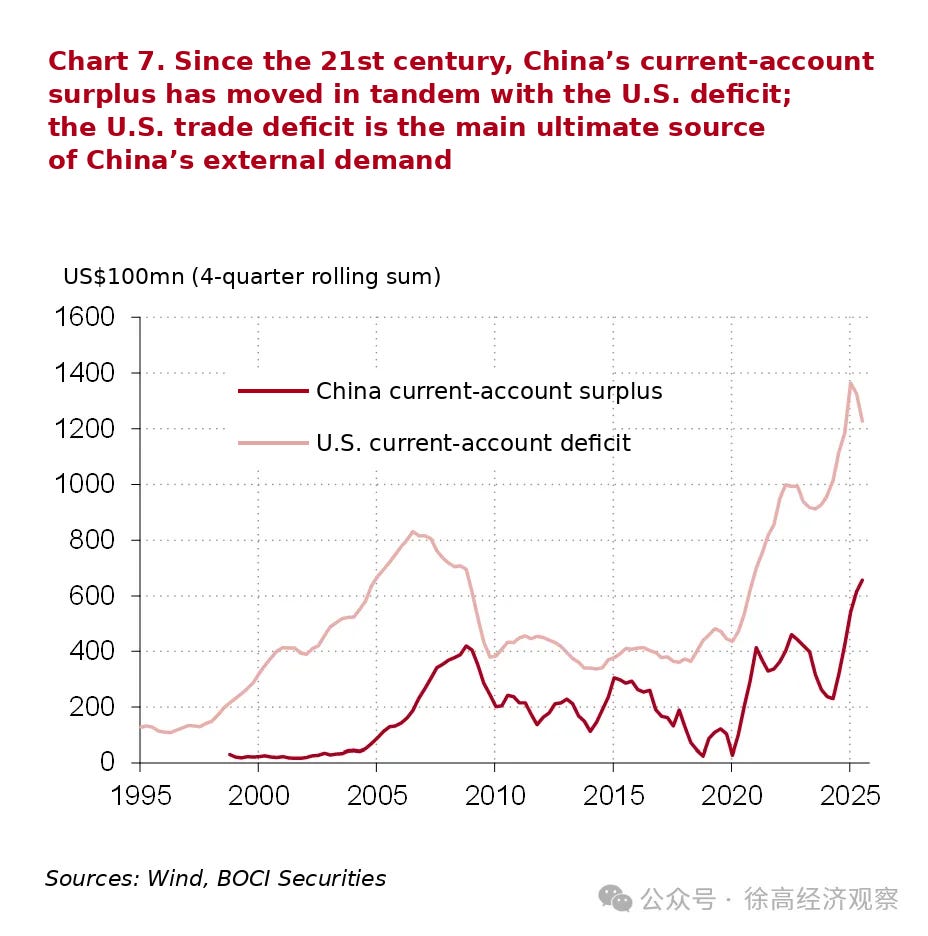
China's large trade surplus has historically supported the yuan. When Chinese exporters receive dollars and convert them into yuan, demand for CNY increases. However, capital outflows, foreign investment shifts, and changes in global risk appetite can offset those flows.
PBOC Management
Unlike freely floating pairs such as EUR/USD, USD/CNY operates within a managed floating regime. The PBOC sets a daily midpoint, or central parity rate, and the onshore rate can trade within a band around that level. The central bank also intervenes through state banks or adjusts reserve requirements when it wants to limit volatility.
How to Read a USD/CNY Chart
USD/CNY Exchange Rate: How the Dollar-Yuan Pair Works - How to Read a USD/CNY Chart.
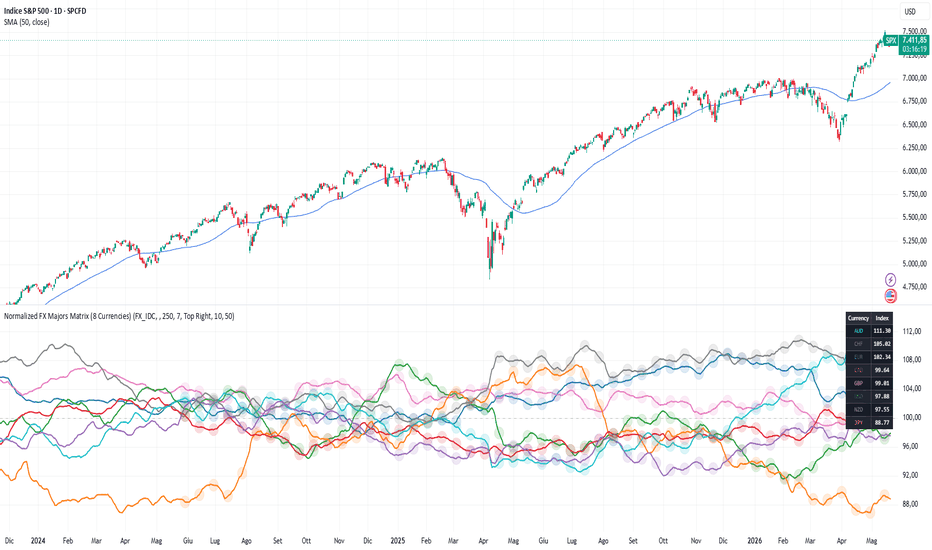
A USD/CNY chart plots the exchange rate over time. Most platforms let you switch between line, candlestick, and bar views. Candlestick charts show the open, high, low, and close for each period, which helps traders spot momentum and reversals.
Key elements to watch include:
- Trend direction: A series of higher highs and higher lows suggests dollar strength.
- Support and resistance: Price levels where the rate has repeatedly bounced or stalled.
- Moving averages: Common indicators such as the 50-day and 200-day moving averages help identify longer-term direction.
- Volume: Higher trading volume can confirm the strength of a move.
USD/CNY in Business and Payments

USD/CNY Exchange Rate: How the Dollar-Yuan Pair Works - USD/CNY in Business and Payments.
For businesses, the USD/CNY rate affects more than trading screens. Importers, exporters, and companies with Chinese suppliers or customers all face currency exposure.
Import and Export Pricing
A U.S. company buying goods from China pays in yuan or dollars depending on the contract. If the dollar strengthens, dollar-based purchases become cheaper in yuan terms. If the yuan strengthens, Chinese goods become more expensive for U.S. buyers. Exporters face the reverse effect.
Hedging Currency Risk
Companies with recurring USD/CNY exposure often use forward contracts, options, or natural hedging to reduce volatility. A forward contract locks in a rate for a future date, while natural hedging involves matching yuan revenue with yuan expenses.
Cross-Border Payments
Settling invoices between the U.S. and China traditionally involves bank wires, intermediary fees, and multi-day processing. Modern payment platforms can reduce some of that friction. For crypto-native businesses, stablecoin-based corporate cards offer an alternative way to manage multi-currency spending. Platforms such as Cardfornia let companies fund a single account with USDC or USDT and issue virtual cards that settle automatically in multiple currencies, which can simplify recurring cross-border expenses such as SaaS subscriptions, digital advertising, and travel.
USD/CNY vs. Other Dollar-Asia Pairs
USD/CNY behaves differently from pairs such as USD/JPY or USD/SGD because of China's managed exchange-rate system. The table below summarizes the key differences.
| Pair | Regime | Typical Volatility | Key Drivers |
|---|---|---|---|
| USD/CNY | Managed float with PBOC guidance | Moderate, with occasional sharp moves | PBOC midpoint, trade flows, Fed policy |
| USD/JPY | Free float with occasional intervention | High | Rate differentials, risk sentiment |
| USD/SGD | Managed float against a basket | Low to moderate | MAS policy band, trade flows |
| USD/HKD | Currency board peg | Very low | Peg defense, interest-rate arbitrage |
For businesses that operate across Asia, understanding these differences helps with budgeting and exposure management. A company paying for cloud infrastructure or digital ads in multiple Asian markets may benefit from a payment setup that handles currency conversion automatically. Stablecoin virtual cards can reduce the need to pre-fund separate currency accounts for every market.
Common Questions About USD/CNY
What does USD/CNY 6.72 mean?
It means one U.S. dollar can be exchanged for 6.72 Chinese yuan. If the rate moves to 6.80, the dollar has strengthened because it now buys more yuan.
What is the difference between CNY and CNH?
CNY is the onshore yuan traded in mainland China under PBOC rules. CNH is the offshore yuan traded mainly in Hong Kong and other international centers. The rates are usually close but can differ due to capital controls and liquidity differences.
Why does the PBOC set a daily midpoint?
The midpoint anchors the trading band for the onshore yuan and signals the central bank's policy stance. It helps the PBOC manage volatility and guide market expectations.
Is USD/CNY a good pair for beginners?
It can be less predictable than major free-floating pairs because of policy intervention. Beginners should start with small positions, use risk management tools, and study how PBOC announcements affect the rate.
How do businesses reduce USD/CNY risk?
Common methods include forward contracts, currency options, invoicing in the home currency, natural hedging, and using multi-currency payment platforms that automate conversion at competitive rates.
Practical Tips for Tracking USD/CNY
- Check multiple sources. Live quotes can differ slightly across platforms due to data feeds and timing. Compare Yahoo Finance, TradingView, and Bloomberg for a complete picture.
- Watch the PBOC midpoint. Published each trading day, it often sets the tone for the session.
- Monitor Fed and PBOC policy signals. Rate decisions, inflation data, and economic growth reports move the pair more than most short-term news.
- Use alerts. Most charting platforms let you set price alerts so you do not need to watch the screen constantly.
- Think in total cost. For business payments, the quoted rate is only part of the cost. Fees, spreads, and settlement time also matter.
Related reading
- Digital Marketing Crypto Cards: A 2026 Guide - Learn how crypto virtual cards simplify digital marketing spend on Meta, Google, and TikTok. Compare card types, avoid bans, and manage ad budgets with stablecoins.
- Dedicated Virtual Cards for Ads: Smarter Media Buying in 2026 - Learn how dedicated virtual cards for ads reduce bans, simplify budget control, and scale Meta, Google, and TikTok spend. Compare crypto and fiat options.
Conclusion
USD/CNY is a critical exchange rate for global trade, investment, and corporate payments. Its movements reflect U.S. and Chinese monetary policy, trade flows, and the PBOC's active management. By understanding how the pair is quoted, what drives it, and how to read its charts, you can make more informed decisions whether you are trading, hedging, or simply paying a supplier. For businesses that regularly spend across currencies, pairing that knowledge with efficient payment tools can turn exchange-rate awareness into a practical operational advantage. To learn more about managing multi-currency corporate spending with stablecoins, see Cardfornia's approach to crypto corporate cards.