
Cardfornia vs Banxe vs Sparados: Which Card Platform Fits Your Business?
Cardfornia vs Banxe vs Sparados: Which Card Platform Fits Your Business?
Choosing between Cardfornia, Banxe, and Sparados comes down to one question: what is your business actually trying to solve? Cardfornia focuses on crypto-native companies that want to turn stablecoins into everyday corporate spending. Banxe blends traditional banking with crypto management for individuals and businesses. Sparados targets finance teams that need virtual cards and automated expense workflows, without a crypto angle.
This comparison breaks down each platform's core strengths, where they overlap, and where one clearly fits better than the others.
What Each Platform Does Best
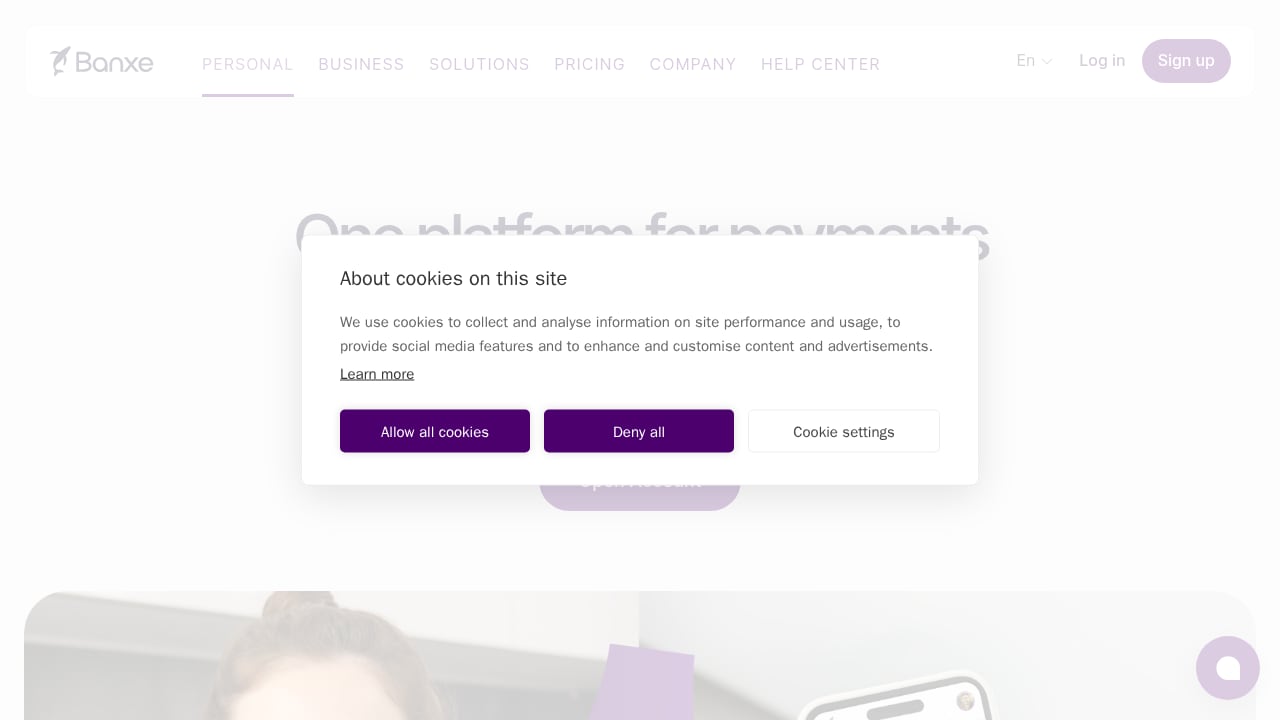
First viewport screenshot of Banxe — Global Payments Platform.
Cardfornia: Stablecoin-First Corporate Cards
Cardfornia is a Singapore-based platform built for crypto-native businesses and startups. The core idea is simple: fund one account with USDT or USDC, then issue multi-currency virtual cards to teams at scale.
The platform is designed around high-volume operational spending. Common use cases include:
- Paying for AI tool subscriptions like ChatGPT, Claude, and Midjourney
- Funding digital advertising on Meta Ads, Google Ads, and TikTok Ads
- Covering SaaS and cloud subscriptions such as AWS, Azure, and Figma
- Managing global travel and procurement expenses
Cardfornia emphasizes high-limit cards for ad spend, which can help reduce account ban risks on advertising platforms. It also offers automatic multi-currency settlement for SaaS subscriptions and real-time currency exchange for cross-border transactions. Client funds are held 100% in segregated accounts with third-party licensed custodians, and the platform states that funds are never lent or invested. Security practices follow ISO/IEC 27001 standards, while payment, custody, and card-issuing activities run through licensed partners across Hong Kong, the UK, the US, and Canada.
For teams that already hold stablecoins and want to spend them directly without repeated off-ramps, Cardfornia removes a major operational headache. Learn more about how stablecoin corporate payments work in practice.
Banxe: Banking and Crypto in One Platform
Banxe takes a broader approach. It combines traditional banking services with cryptocurrency management, serving both personal and business users.
Key features include:
- Personal and business accounts in GBP, EUR, and USD
- Dedicated IBANs, SEPA, Faster Payments, and SWIFT transfers
- Physical and virtual debit cards
- A non-custodial Pro Wallet where users hold their own private keys
- High-volume crypto exchange with preferential rates and a dedicated manager
- A white-label API for businesses that want to embed banking capabilities under their own brand
Banxe positions itself as a versatile platform for individuals managing fiat and crypto together, businesses handling cross-border payments and mass payouts, high-volume traders, and fintech companies exploring Banking-as-a-Service. It is not a bank itself but operates as a distributor of an FCA-authorized e-money institution. Pricing starts at €5 per month for personal accounts and €25 for business accounts.
Banxe's strength is breadth. If your business needs traditional banking rails alongside crypto management, it covers both sides of that equation.
Sparados: Expense Management Without the Crypto Layer
Sparados is a corporate expense management platform focused on virtual cards and automated financial workflows. It does not handle cryptocurrency.
Core capabilities include:
- Instant virtual card issuance with custom limits and transaction controls
- Payments in EUR, USD, and CHF
- Centralized expense tracking, receipt capture, and invoice management
- Automated integration with accounting systems
- Real-time transaction monitoring
- Customizable card branding with company logos
- Lunch cards as an employee benefit
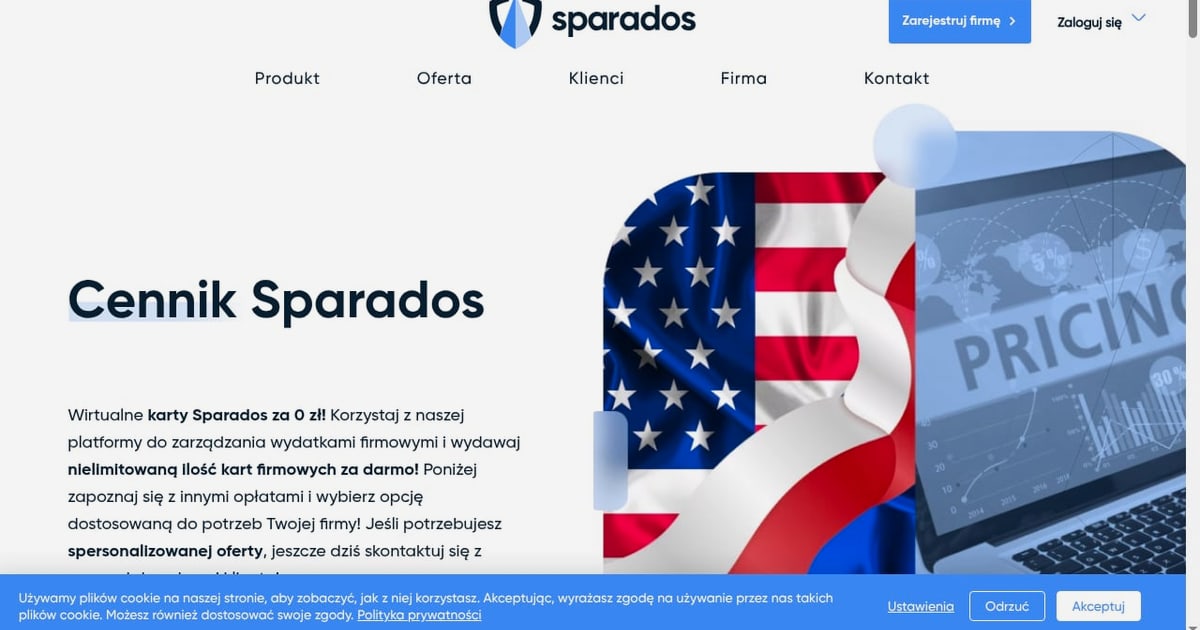
Sparados serves finance teams, administrators, and employees who want to streamline expense reporting and approval processes. Pricing includes free virtual cards, with per-user fees applying beyond five users. Case studies highlight elimination of currency conversion costs and integration with HR benefit platforms.
For companies that want tighter control over corporate spending without any crypto complexity, Sparados offers a focused, practical toolset. If you are evaluating broader virtual card issuing platforms, Sparados represents the expense-management-first category.
Head-to-Head Comparison
| Criteria | Cardfornia | Banxe | Sparados |
|---|---|---|---|
| Primary focus | Stablecoin corporate cards | Banking + crypto management | Corporate expense management |
| Crypto support | USDT, USDC funding | Multi-asset wallet and exchange | None |
| Card type | Virtual, multi-currency | Physical and virtual debit | Virtual corporate cards |
| Best for | Crypto-native teams, ad spend, SaaS | Mixed fiat/crypto operations | Finance teams, expense control |
| Fund custody | Segregated, third-party licensed custodians | Non-custodial wallet option | N/A (fiat only) |
| Regulatory approach | Licensed partners across HK, UK, US, Canada | FCA-authorized e-money distributor | Not specified |
| Pricing model | Not publicly listed | €5–€25 monthly tiers | Free virtual cards, per-user fees |
When Cardfornia Is the Better Choice
Cardfornia wins in scenarios where stablecoin liquidity is the starting point. If your company holds USDT or USDC and needs to convert that into ad spend, SaaS subscriptions, or travel expenses, Cardfornia removes the friction of manual off-ramping.
The high-limit card design matters for advertising teams. Platforms like Meta and Google can flag or ban accounts when payment methods fail or appear inconsistent. A corporate virtual card with stable limits and predictable settlement reduces that risk. For agencies managing multiple client accounts, this is a meaningful operational advantage. See how crypto payment cards for ad agencies handle this use case.
Cardfornia also makes sense for startups that are crypto-native by default: teams that raised in stablecoins, pay contractors in crypto, or hold treasury in digital assets. For these companies, a fiat-only expense platform creates an extra conversion step every time money moves. Cardfornia eliminates that step.
When Banxe Is the Better Choice
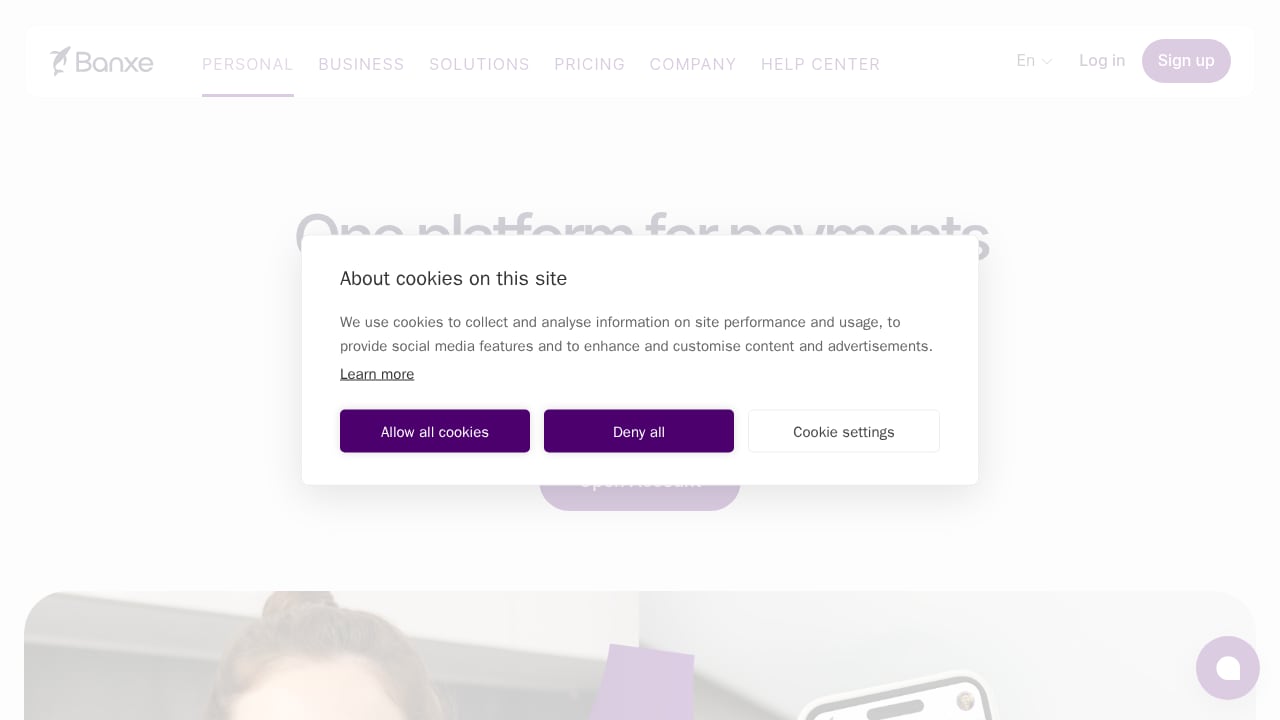
First viewport screenshot of Banxe — Global Payments Platform.
Banxe suits businesses that need both traditional banking and crypto in one interface. If your company sends SEPA transfers to European suppliers, receives SWIFT payments from international clients, and also trades or holds crypto, Banxe consolidates those workflows.
The non-custodial Pro Wallet is a differentiator for users who prioritize private key ownership. Not every business wants a custodial crypto balance. Banxe gives you the option to hold your own keys while still accessing fiat banking features.
The white-label API also opens a different use case: fintech companies that want to embed banking capabilities into their own product. If you are building a platform and need IBANs, cards, and payment rails under your brand, Banxe's Banking-as-a-Service offering is worth evaluating.
When Sparados Is the Better Choice
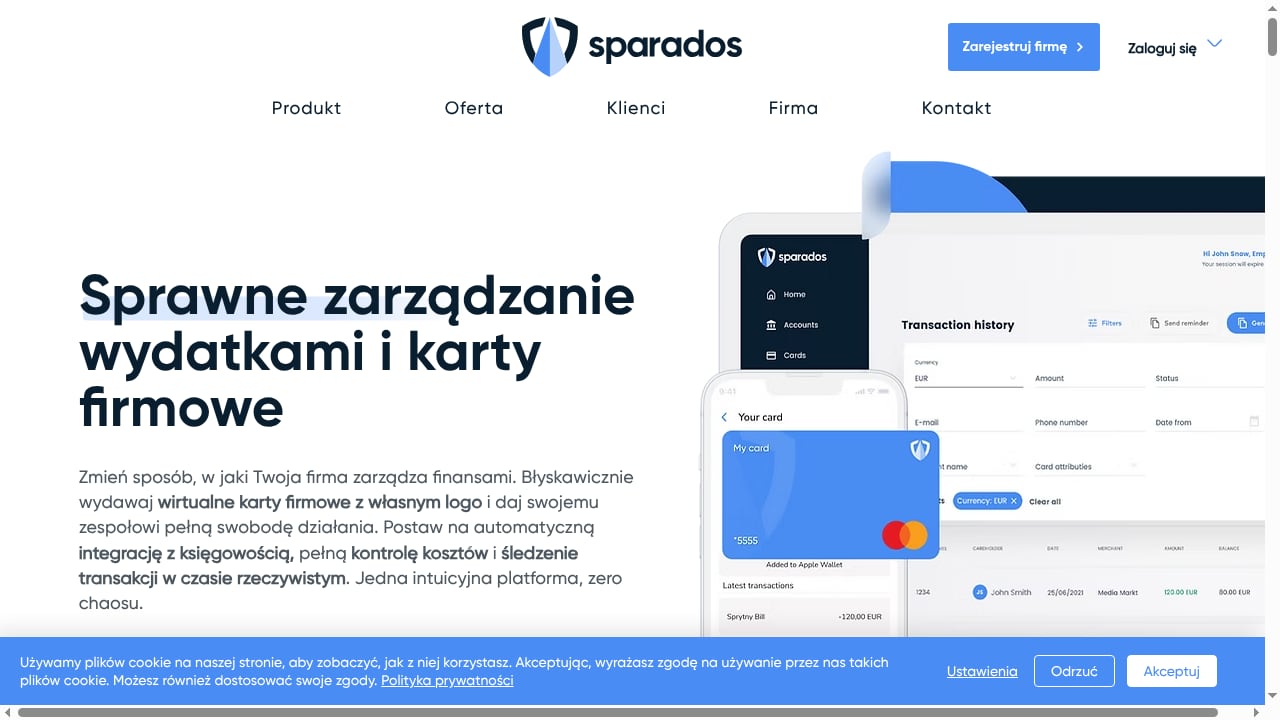
First viewport screenshot of Sparados | Zarządzanie finansami | Wirtualne karty dla firm i pracowników.
Sparados is the right pick when crypto is irrelevant to your operation. If your finance team wants virtual cards, receipt capture, invoice management, and accounting integration without touching digital assets, Sparados delivers that cleanly.
The platform's strength is workflow automation. Real-time transaction monitoring, custom card limits, and automated accounting sync reduce manual expense reporting. For companies with five to fifty employees who need controlled spending on tools, travel, and procurement, Sparados offers a straightforward solution.
The lunch card feature is a niche but practical employee benefit, especially for European companies where meal allowances are common. Integration with HR benefit platforms suggests Sparados thinks beyond pure expense control.
How to Decide
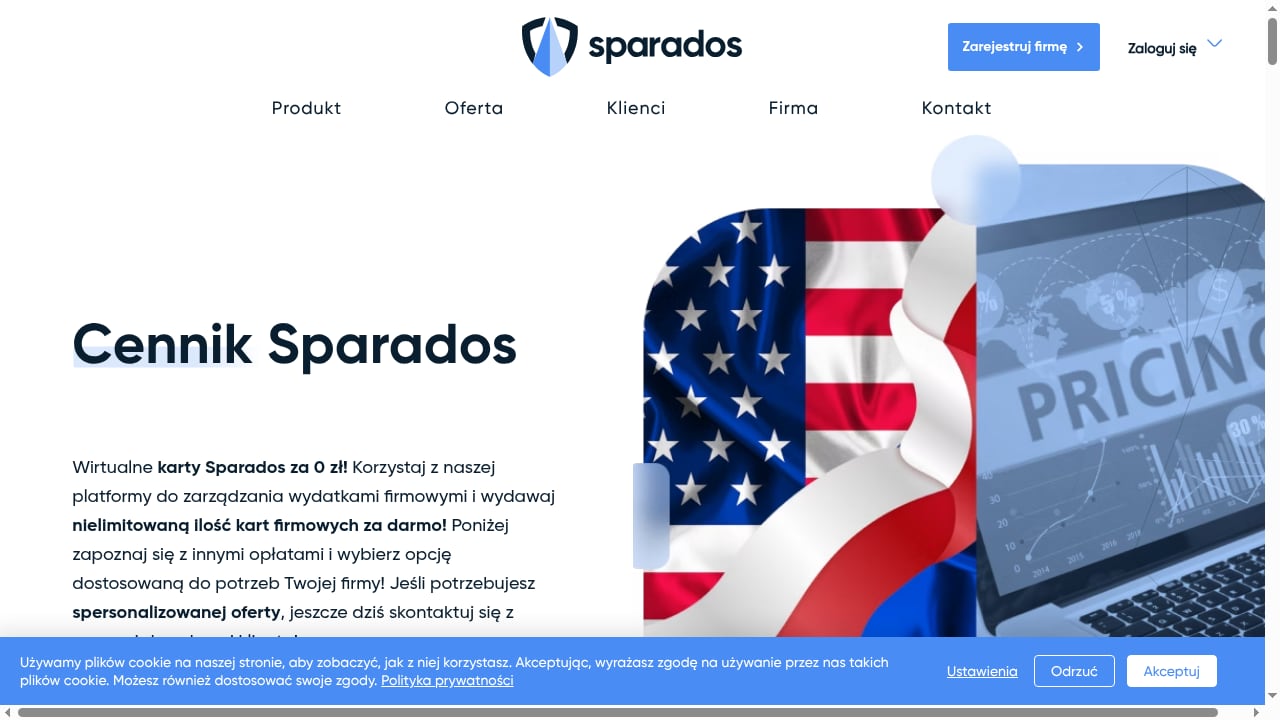
First viewport screenshot of Cennik Sparados | Przejrzyste plany i skalowalność.
Start with your funding source:
- You hold stablecoins and want to spend them directly → Cardfornia
- You need fiat banking and crypto management together → Banxe
- You operate entirely in fiat and want expense automation → Sparados
Then consider your team structure. If you have a dedicated finance function managing approvals, budgets, and accounting sync, Sparados's workflow tools will feel natural. If your team is crypto-native and moves fast on ad spend and SaaS, Cardfornia's stablecoin-first design removes friction. If you sit between both worlds, Banxe offers the most flexibility.
For businesses exploring high-limit crypto cards specifically for large ad or SaaS spend, Cardfornia's positioning is directly relevant. For teams comparing USDC tools and stablecoin platforms, the choice often comes down to whether you need banking rails or pure spending infrastructure.
Related reading
- Meta Ads Crypto Payment: How to Pay with USDC in 2026 - Learn how to pay for Meta Ads with USDC and stablecoins, which wallets work, policy rules for crypto advertisers, and virtual card alternatives for teams.
- One-Click Subscription Setup Card: How It Works in 2026 - Learn how one-click subscription setup cards work, why they reduce failed renewals and checkout friction, and how virtual cards simplify recurring SaaS billing.
Sources and further reading
- Equality California on Trump Executive Order Banning Transgender Athletes - Equality California released the following statement from Executive Director Tony Hoang in response to Trump’s executive order banning transgender girls and women from school sports and athletics more broadly.
- Converse Police Department - 🚨 FUGITIVE ARRESTED FOLLOWING INVESTIGATION INTO FIREARMS OFFENSE(S) 🚨
Converse Police Department and U.S. Marshals Task Force Arrest Federal Fugitive
CONVERSE, TEXAS — On Friday, August 28, 2026,...
- Kyle Juszczyk exclusive: 49ers fullback reflects on George Kittle friendship | NBC Sports Bay Area / California - Kyle Juszczyk exclusive: 49ers fullback reflects on George Kittle friendship
FAQ
Can Cardfornia handle fiat currencies?
Cardfornia focuses on stablecoin funding with multi-currency virtual cards. It supports real-time currency exchange for cross-border transactions, but the funding model is built around USDT and USDC rather than traditional fiat account management.
Does Banxe offer corporate virtual cards?
Yes. Banxe provides physical and virtual debit cards for both personal and business accounts, alongside multi-currency IBANs and payment rails.
Is Sparados suitable for crypto businesses?
No. Sparados is a fiat-only expense management platform. Crypto-native teams would need to off-ramp funds before using Sparados cards.
Which platform is best for high ad spend?
Cardfornia is designed specifically for high-limit ad spend across Meta, Google, and TikTok, with the goal of reducing account ban risks. Sparados and Banxe can handle ad payments, but neither is optimized for that use case.
Are funds safe with Cardfornia?
Cardfornia states that client funds are held 100% in segregated accounts with third-party licensed custodians and are never lent or invested. Security practices follow ISO/IEC 27001 standards, and card-issuing activities run through licensed partners.
What does Banxe cost?
Banxe pricing starts at €5 per month for personal accounts and €25 per month for business accounts, with clear pricing tiers published on their platform.
Conclusion
Cardfornia, Banxe, and Sparados solve different problems. Cardfornia is the most focused option for crypto-native companies that want stablecoin-funded corporate cards with high limits for ad and SaaS spend. Banxe offers the broadest platform, combining fiat banking, crypto management, and white-label API capabilities. Sparados delivers clean, fiat-only expense management with strong workflow automation.
The right choice depends on where your money lives and how your team spends it. If stablecoins are your operating currency, Cardfornia is built for that reality. If you need banking and crypto side by side, Banxe covers both. If you want expense control without crypto complexity, Sparados gets the job done.