
Instant Crypto Virtual Cards: 2026 Business Guide

Instant Crypto Virtual Cards: How Businesses Turn Stablecoins into Spendable Cards
An instant crypto virtual card is a card number issued in minutes and funded by cryptocurrency rather than a bank transfer. Instead of waiting days for a bank account review, a business sends USDT or USDC to a platform, and a virtual card becomes active almost immediately. That speed is the entire appeal — but speed also hides trade-offs around custody, limits, and compliance that decide whether the card is genuinely useful or just a temporary workaround.
This guide explains how instant issuance actually works, where these cards fit in a business budget, what they cost, and how to choose between consumer-style cards and corporate platforms built for teams.
What "Instant" Really Means
Instant Crypto Virtual Cards: 2026 Business Guide - What "Instant" Really Means.
Instant issuance usually refers to the gap between funding and card creation, not the whole onboarding process. In practice there are three distinct stages, and each has its own delay:
- Account creation — can be seconds (email only) or days (full business verification).
- Funding — depends on blockchain confirmation times and the platform's deposit crediting rules. USDT on TRON or USDC on a fast L2 can credit in under a minute; a congested network can take longer.
- Card issuance — generating a card number, expiry, and CVV, then attaching a spending limit. This is where "instant" is most accurate.
Some providers advertise cards issued in 60 seconds. That claim is realistic for the issuance step alone. The honest question is whether the platform lets you skip verification entirely, because that choice has downstream consequences.
The KYC Trade-Off
Cards marketed as "no KYC" or "anonymous" typically skip identity checks on the user. That sounds convenient, but it usually means:
- Higher top-up fees to absorb fraud risk
- Lower spending ceilings per transaction and per month
- No recourse if a merchant dispute goes wrong
- Limited or no ability to hold the card in a company name
For a solo media buyer testing campaigns, a low-limit anonymous card can be a reasonable disposable tool. For a company paying for AWS, running Meta Ads at scale, or reimbursing a distributed team, the lack of verification becomes a liability rather than a feature.
How an Instant Crypto Virtual Card Works
Instant Crypto Virtual Cards: 2026 Business Guide - How an Instant Crypto Virtual Card Works.
The mechanics are consistent across most providers:
- Deposit stablecoins to a platform account or a unique deposit address.
- Convert or hold the balance, depending on whether the platform settles in fiat at the point of sale.
- Issue a card with a chosen currency, spending limit, and label.
- Spend at any merchant that accepts the underlying card network, with conversion happening at authorization.
- Monitor and adjust limits, freeze cards, or issue replacements in real time.
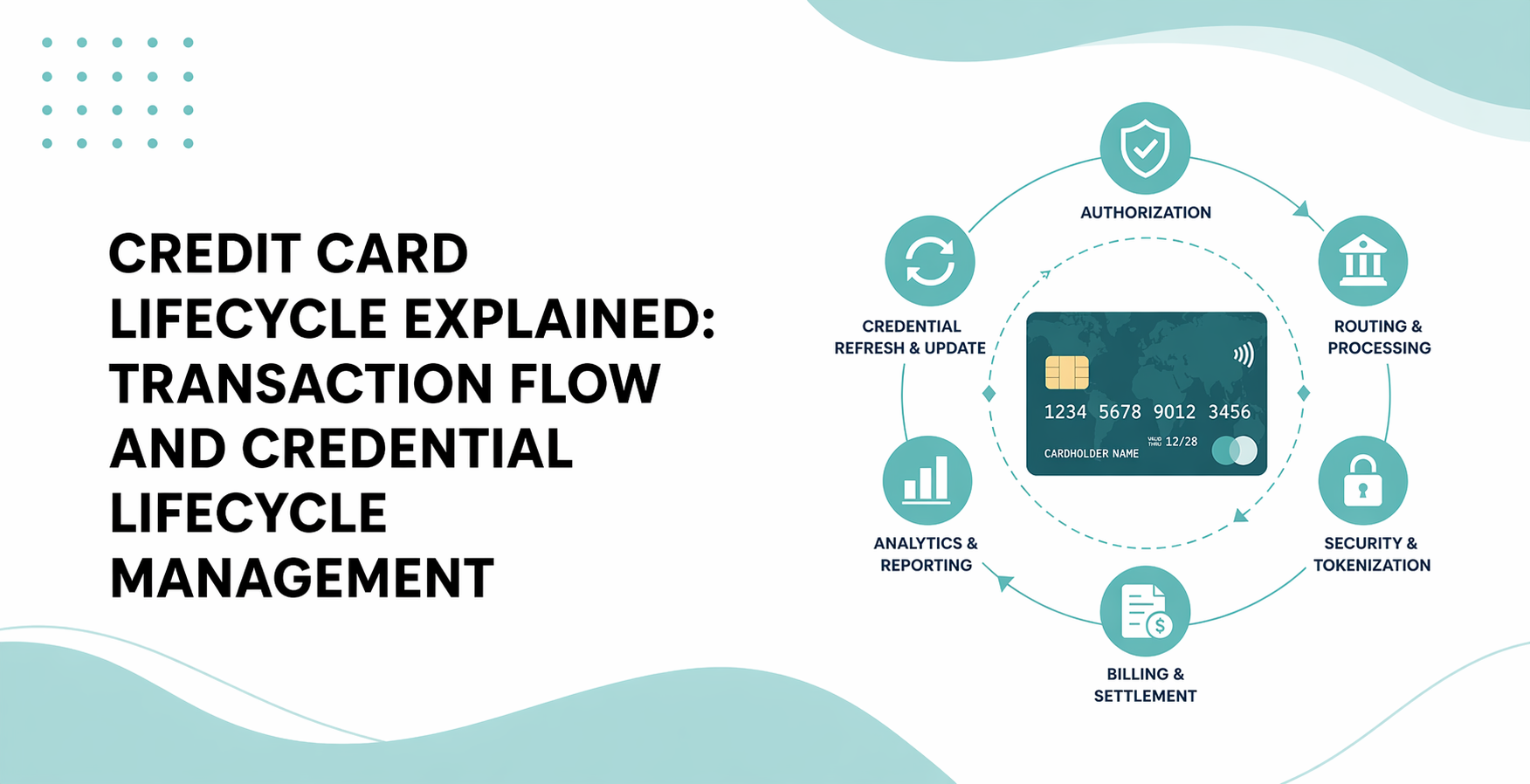
At checkout, the card network requests authorization. The platform checks the balance and your limits, converts crypto to the merchant's currency if needed, and approves or declines. Settlement to the merchant happens later through the card network.
That conversion step is where fees hide. Some providers charge a spread on the crypto-to-fiat conversion, some charge a flat top-up fee, and some charge both. A card with "no monthly fee" can still be expensive if the conversion spread is wide.
Where Instant Cards Actually Get Used

Instant Crypto Virtual Cards: 2026 Business Guide - Where Instant Cards Actually Get Used.
Paying for AI and SaaS Tools
Most AI subscriptions — ChatGPT, Claude, Midjourney, and similar tools — bill through standard card rails and do not accept crypto directly. A stablecoin-funded virtual card is the practical bridge. This is a common enough problem that there are dedicated walkthroughs, such as this guide on subscribing to ChatGPT with stablecoins.
Digital Advertising
Ad platforms like Meta Ads, Google Ads, and TikTok Ads are card-first. Media buyers often want a dedicated card per ad account so a single declined payment does not cascade across campaigns. High-limit cards matter here, because ad platforms can suspend accounts when payments fail repeatedly.
Cloud and Infrastructure
AWS, Azure, and similar providers bill in USD and expect a stable payment method. A card that settles automatically in the billing currency avoids repeated failed charges and the support tickets that follow.
Travel and Procurement
Cross-border spending is where multi-currency support earns its keep. A card that converts at the point of sale removes the need to pre-fund separate currency accounts for each trip or vendor.
Consumer Crypto Cards vs Corporate Platforms

Instant Crypto Virtual Cards: 2026 Business Guide - Consumer Crypto Cards vs Corporate Platforms.
The market splits into two categories, and mixing them up is the most common mistake.
| Dimension | Consumer crypto card | Corporate crypto card platform |
|---|---|---|
| Custody | Often self-custody from a personal wallet | Segregated accounts with licensed custodians |
| Issuance | One card per person | Many cards per team, with labels and limits |
| Controls | Daily or monthly personal limits | Per-card limits, freeze, role-based access |
| Accounting | Manual export | Statements designed for reconciliation |
| Verification | Sometimes none | Business verification required |
Consumer cards are built for individuals spending their own crypto. Corporate platforms are built for finance teams who need to know who spent what, on which card, for which cost center.
For a deeper look at how the corporate side is structured, see this B2B crypto card guide.
What to Check Before You Issue Cards
1. Custody and segregation
Ask where funds sit between deposits and spending. The strongest answer is segregated accounts held with a third-party licensed custodian, with client funds never lent or invested. If the answer is vague, treat it as a risk signal.
2. Regulatory coverage
Card issuing and custody are regulated activities. Platforms typically operate through licensed partners holding approvals in specific jurisdictions. The relevant question is not "is this company regulated" but "which entity issues my card, and under which license."
3. Fee structure
Compare on total cost, not headline price:
- Top-up or deposit fee
- Conversion spread
- Per-card issuance fee
- Monthly platform fee
- FX markup on non-USD transactions
- Decline or inactivity fees
4. Limits
Check both per-transaction and monthly ceilings. A card capped at $5,000 per transaction will fail on a large ad invoice or a cloud bill.
5. Currency support
If your team pays vendors in EUR, GBP, or SGD, automatic multi-currency settlement saves real money compared with repeated manual conversion.
6. Team controls
Look for per-card limits, instant freeze, labeled cards per project, and an audit trail that maps spending to a person or team.
Where Cardfornia Fits
Cardfornia is a Singapore-based fintech platform that issues crypto virtual cards for corporate businesses and startups. Companies fund a single account with stablecoins such as USDT and USDC, then issue multi-currency virtual cards to teams at scale with real-time control over operating expenses.
The platform's stated focus areas map directly to the use cases above: high-limit cards for ad spend, automatic multi-currency settlement for SaaS subscriptions, and real-time currency exchange for cross-border transactions. Client funds are held 100% in segregated accounts with third-party licensed custodians and are never lent or invested. Card issuing, custody, and payment activities run through licensed partners with regulatory approvals across jurisdictions including Hong Kong, the UK, the US, and Canada, and security practices are guided by ISO/IEC 27001 standards.
If you are comparing options, the Cardfornia vs Reap vs OneSafe comparison breaks down how the major corporate crypto card platforms differ on funding, controls, and global coverage.
Common Mistakes When Using Instant Crypto Cards
- Using one card for everything. A single card across all vendors makes it impossible to attribute spend and turns one declined payment into a company-wide outage.
- Ignoring the conversion spread. A 1% spread on $50,000 of monthly ad spend is $500 — often more than the monthly platform fee.
- Skipping reconciliation. Crypto-funded cards still need clean statements for accounting and tax. Check export quality before you scale.
- Assuming instant means unverified. Fast issuance and proper business verification are not mutually exclusive, and the combination is what makes a card safe to rely on.
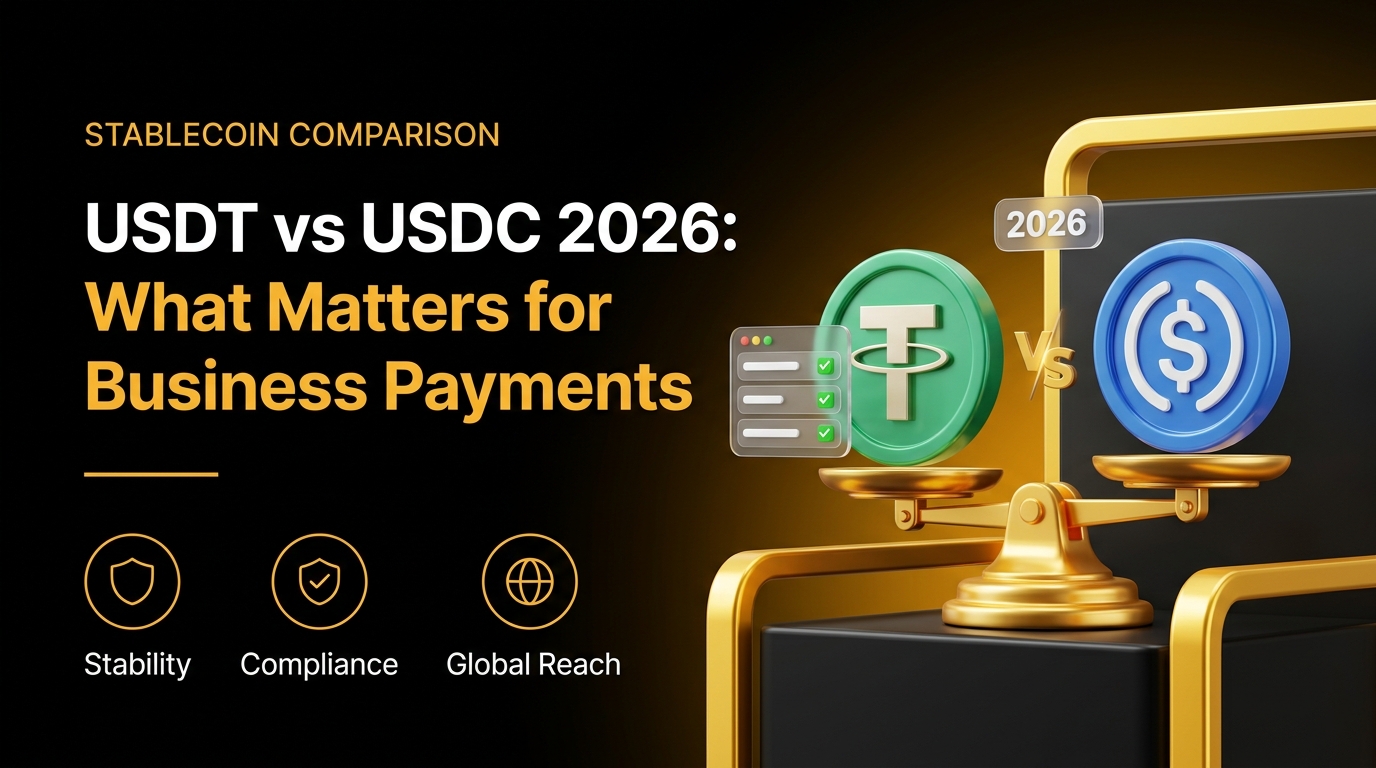
- Overlooking stablecoin risk. USDT and USDC are designed to hold a $1 peg, but stablecoins are not risk-free. Understanding depeg and reserve mechanics matters if you hold large balances. This stablecoin guide covers the main risk categories.
Sources and further reading
- MetaMask Card: Spend crypto anywhere - Use your crypto to pay everywhere Mastercard is accepted, and earn up to 3% back on every purchase.
- Kripicard | Instant Crypto Cards — USDT Virtual Card & Global VCC - Instant crypto cards funded with USDT — issued in seconds. Crypto virtual card (VCC) and payment gateway trusted worldwide by creators and media buyers.
- No KYC Crypto Cards | Best Crypto Card No KYC, Anonymous - No KYC Crypto Cards and Anonymous Cards by CasherCard. Get reloadable Virtual Visa & Mastercard cards for online payments, ads, subscriptions, Apple Pay and Google Pay.
FAQ
How fast is an instant crypto virtual card actually issued?
Card generation is typically near-instant once funds are credited. Total time from signup to a usable card ranges from a few minutes to a few days, depending on whether the platform requires business verification and how quickly the blockchain confirms your deposit.
Can I get an instant crypto virtual card without KYC?
Some providers offer no-KYC cards, usually with low limits and higher top-up fees. These are generally unsuitable for company spending because they cannot be issued in a business name and offer limited dispute protection.
Do instant crypto cards work for subscriptions?
Yes. Virtual cards work with recurring billing as long as the card remains active and funded. Many platforms let you keep a card alive specifically for subscriptions while freezing others.
Are crypto virtual cards accepted everywhere?
They work wherever the underlying card network is accepted. The practical limits are regional availability, merchant category restrictions, and the platform's own supported countries.
What happens if a payment is declined?
Most platforms show the decline reason in the dashboard and let you retry after adjusting limits or adding funds. Persistent declines on ad platforms can trigger account reviews, which is why dedicated high-limit cards per ad account are common.
Is it safe to hold business funds on a card platform?
The key factors are custody structure and regulatory oversight. Segregated accounts with a licensed third-party custodian, combined with issuing through regulated partners, is the standard to look for. You can review how different providers handle this in this comparison of Cardfornia, Request Finance, and Sparados.
Conclusion
Instant crypto virtual cards solve a real operational problem: crypto-native businesses hold stablecoins but still need to pay vendors that only accept cards. The "instant" part is genuinely useful, but it is not the deciding factor. Custody structure, fee transparency, spending limits, and team controls determine whether a card platform can support your business at scale or just handle a one-off payment.
Start by mapping your actual spend — ad platforms, SaaS subscriptions, cloud bills, travel — then check each provider against those specific requirements. For a broader view of how these platforms compare, see the Cardfornia vs Banqa vs Wirex comparison.