
Cardfornia vs OneSafe vs Wirex: Crypto Card Comparison 2026
Cardfornia vs OneSafe vs Wirex: Crypto Card Comparison 2026
Choosing a crypto payment card for a business is not the same as picking a consumer debit card for cashback. Companies need stablecoin funding, multi-currency settlement, team-level spend controls, and clear custody arrangements. This comparison looks at Cardfornia, OneSafe, and Wirex across those business criteria, with honest notes on where each platform fits.
Quick comparison: who each platform is built for
Cardfornia vs OneSafe vs Wirex: Crypto Card Comparison 2026 - Wirex: consumer and business crypto payments at scale.
| Platform | Primary audience | Core strength |
|---|---|---|
| Cardfornia | Crypto-native companies and startups | Corporate virtual cards funded by USDT/USDC, multi-currency settlement, real-time expense controls |
| OneSafe | Global startups and digital-first businesses | Neo-banking with fiat and crypto in one account, simple onboarding, free USDC deposits |
| Wirex | Consumers, businesses, and builders | Multi-currency crypto wallet, Visa/Mastercard cards, integrated exchange, X-Accounts |
Cardfornia: corporate virtual cards for stablecoin-funded teams
Cardfornia is a Singapore-based fintech platform founded in 2026 that focuses specifically on corporate crypto virtual cards. Organizations fund a single account with stablecoins such as USDT and USDC, then issue multi-currency virtual cards to team members at scale.
The platform is designed around operating expenses rather than personal spending. Common use cases include:
- AI tool subscriptions such as ChatGPT, Claude, and Midjourney
- Digital advertising on Meta Ads, Google Ads, and TikTok Ads
- SaaS and cloud services such as AWS, Azure, and Figma
- Global travel and procurement
Cardfornia emphasizes high-limit cards for ad spend to reduce account ban risks, automatic multi-currency settlement for SaaS, and real-time currency exchange for cross-border transactions. Client funds are held 100% in segregated accounts with third-party licensed custodians and are never lent or invested. Security practices are guided by ISO/IEC 27001 standards, and payment, custody, and card-issuing activities run through licensed partners with regulatory approvals in jurisdictions including Hong Kong, the UK, the US, and Canada.
For teams that hold and transact in crypto, this structure addresses a specific operational problem: turning stablecoin balances into controlled, auditable business spending without exposing the treasury to lending or investment risk. You can read more about how this works in our guide to corporate crypto payment cards.
OneSafe: neo-banking for global businesses

Crypto.
OneSafe is a financial technology platform offering neo-banking services tailored for global businesses, particularly startups and companies operating in both traditional fiat currencies and cryptocurrencies. It provides a unified platform for managing global payments, corporate cards, foreign exchange, and crypto transactions.
Strengths worth noting:
- Simple onboarding and multi-currency accounts
- Worldwide wires and tools for international expansion
- Spend controls on corporate cards
- Free USDC deposits and withdrawals
- Transparent pricing with a free tier and a paid plan starting at $29/month
OneSafe positions itself as a modern alternative to traditional banks for the digital-first economy. For startups that need a mix of fiat banking operations and crypto handling in one place, its combination of wires, FX, and cards is a practical fit. The free tier also lowers the barrier for early-stage teams that want to test the platform before committing to a paid plan.
Wirex: consumer and business crypto payments at scale
First viewport screenshot of Crypto.
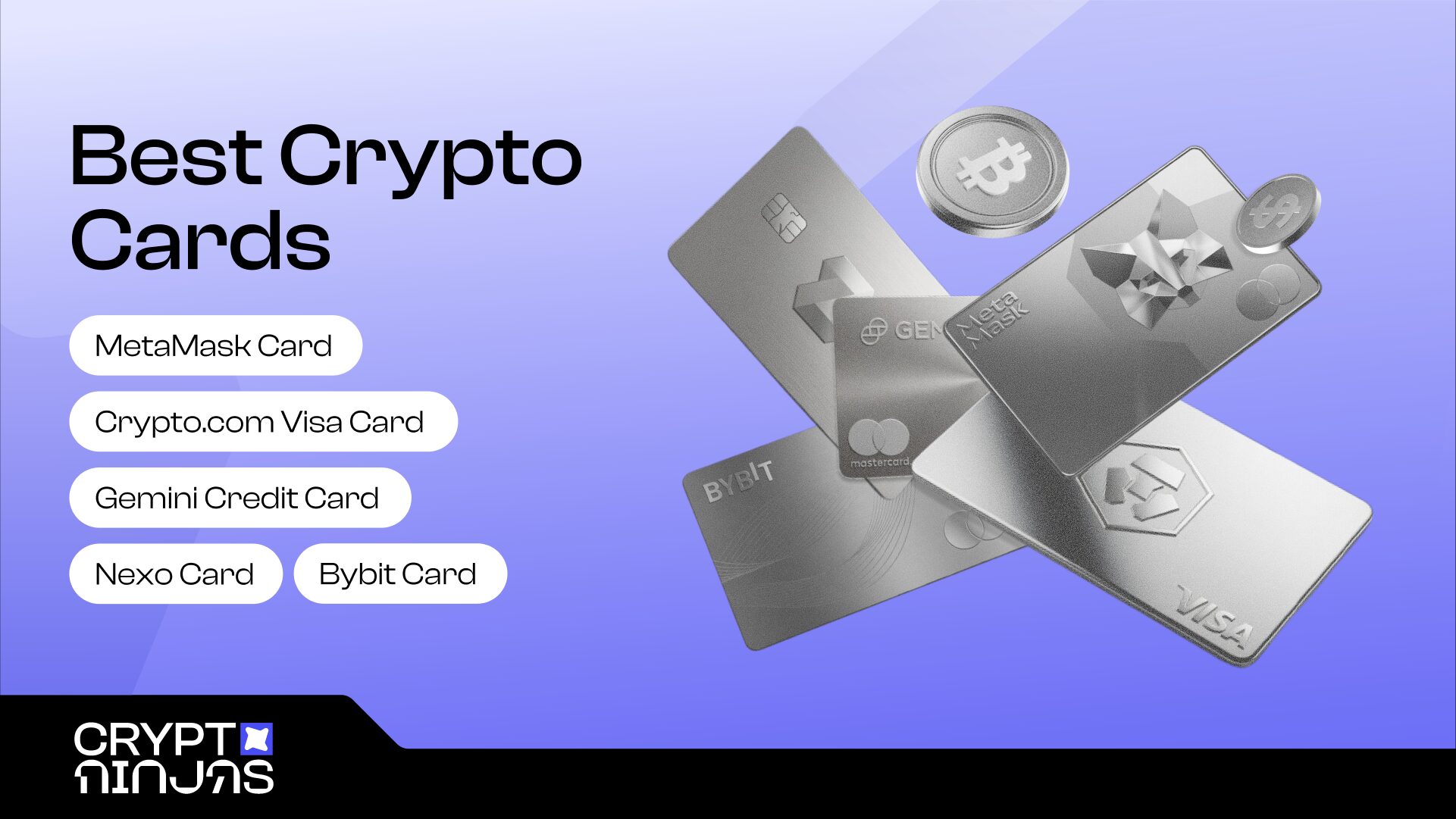
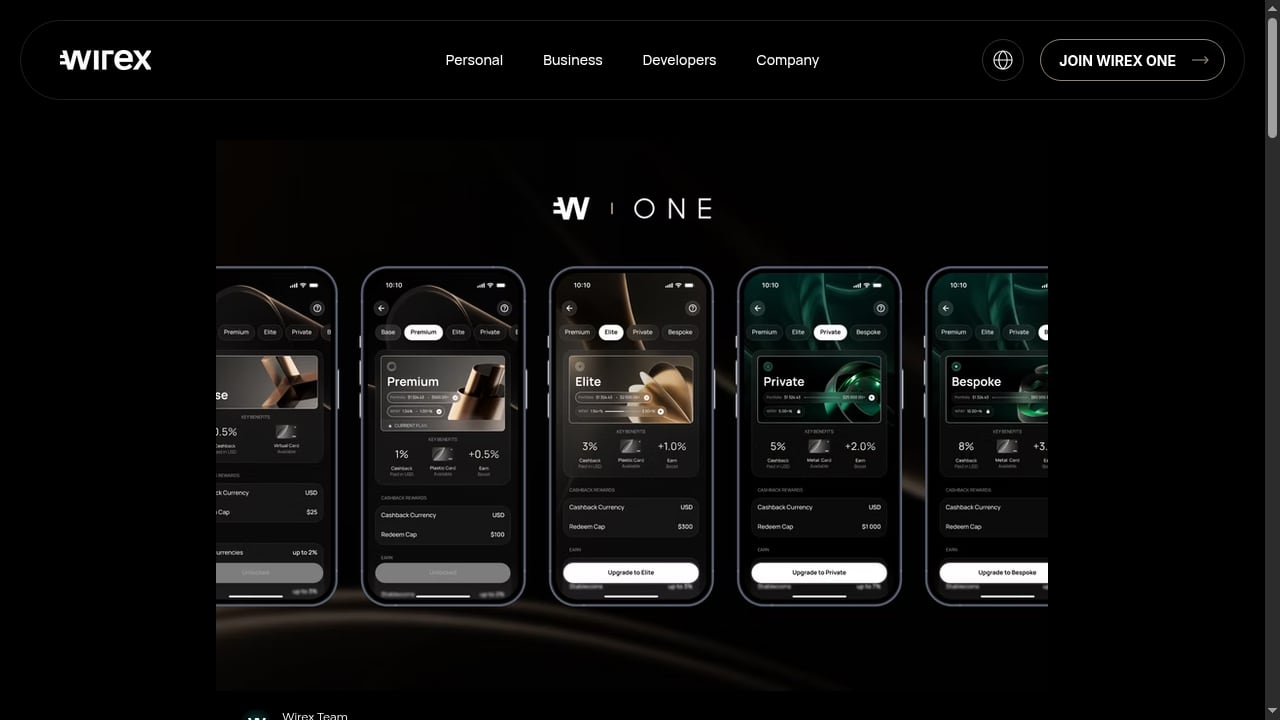
Wirex is a next-generation finance platform that bridges traditional finance and cryptocurrencies. It offers a multi-currency crypto wallet, physical and virtual payment cards backed by Visa and Mastercard, an integrated exchange, and interest-earning X-Accounts for crypto and fiat.
Wirex serves consumers, businesses, and builders, providing a way to convert stablecoins into spendable fiat for everyday purchases, international transfers, and online payments. The platform is trusted by over 7 million users and supported by principal memberships with Visa and Mastercard. It is evolving into Wirex One, a next-generation offering that supports AI-powered agent-initiated payments on stablecoin rails.
Where Wirex stands out:
- Long operating history in the crypto card market
- Regulated in the UK and EEA, with multi-currency support and competitive FX rates
- A broad consumer feature set, including rewards and interest-earning accounts
- A large user base and established card network partnerships
For businesses that want a well-known crypto card brand with a wide feature set, Wirex is a credible option. Its consumer heritage also means the product experience is polished for individual users, which can be an advantage for founders who want to use the same platform personally and professionally.
Where Cardfornia has a supported advantage
First viewport screenshot of Industry Insights.
A fair comparison should only claim advantages where they are supported. On the following criteria, Cardfornia's positioning is distinct:
Stablecoin-first corporate funding
Cardfornia is built around funding a single corporate account with USDT or USDC and issuing virtual cards to teams at scale. OneSafe supports crypto and fiat, and Wirex supports stablecoin conversion, but Cardfornia's core design is corporate stablecoin funding rather than consumer wallet spending.
High-limit cards for advertising spend
Cardfornia specifically emphasizes high-limit cards for ad spend to reduce account ban risks. This matters for companies running Meta Ads, Google Ads, or TikTok Ads, where payment failures or mismatched card profiles can trigger account restrictions. If ad spend is a major expense category, this is a meaningful operational difference.
Real-time control over operating expenses
Cardfornia focuses on real-time control over operating expenses, with multi-currency virtual cards issued to teams at scale. For finance teams that need to track and limit spend across many employees, this is a core workflow rather than an add-on.
Segregated custody with licensed partners
Cardfornia states that client funds are held 100% in segregated accounts with third-party licensed custodians and are never lent or invested. Payment, custody, and card-issuing activities are performed through licensed partners with regulatory approvals across jurisdictions including Hong Kong, the UK, the US, and Canada. For businesses that prioritize fund transparency, this is a clear structural commitment.
Criteria where the substitutes lead
To keep this comparison useful, it is worth noting where OneSafe and Wirex have strengths that Cardfornia does not claim to match.
Consumer features and rewards
Wirex offers interest-earning X-Accounts, rewards, and a broad consumer feature set built over years. Cardfornia is a corporate platform and does not position itself around consumer rewards or interest products.
Fiat banking breadth
OneSafe combines worldwide wires, foreign exchange, and multi-currency accounts with a free tier and a $29/month paid plan. For companies that need traditional fiat banking operations alongside crypto, OneSafe's neo-banking model may be a better fit than a card-centric platform.
Established user base and brand recognition
Wirex has over 7 million users and principal memberships with Visa and Mastercard. Businesses that value an established brand and a long track record may prefer Wirex for that reason alone.
How to choose: a practical decision guide
Use these questions to narrow the choice:
- Is your treasury primarily in stablecoins? If you hold USDT or USDC and want to fund corporate cards directly, Cardfornia's model is designed for that. If you need to move between fiat and crypto frequently, OneSafe's neo-banking approach may be more natural.
- Is ad spend a major expense? If you run significant Meta Ads, Google Ads, or TikTok Ads budgets, high-limit cards designed to reduce account ban risks are worth prioritizing. Cardfornia emphasizes this use case.
- Do you need consumer features like rewards or interest? If yes, Wirex's X-Accounts and rewards program are relevant. If you only need corporate spending controls, those features add little.
- How important is fiat wire capability? If you send and receive traditional wires regularly, OneSafe's worldwide wires and FX tools are a strong fit.
- What does your compliance team require? Cardfornia's segregated custody model and licensed partner structure are designed for transparency. Wirex's UK and EEA regulation and OneSafe's platform model each have their own compliance profiles. Match the provider to your jurisdiction and reporting needs.
For a deeper look at how stablecoin-funded cards handle recurring software costs, see our guide to SaaS subscription crypto cards.
Practical examples
Example 1: A crypto-native startup paying for AI tools. The team holds USDC and needs to pay for ChatGPT, Claude, and Midjourney subscriptions. A corporate virtual card funded by stablecoins avoids converting the whole treasury to fiat and keeps each subscription on a separate card with its own limit.
Example 2: A performance marketing agency running ad campaigns. The agency needs high-limit cards for Meta Ads and Google Ads. Payment failures can trigger account reviews, so a card designed for ad spend reduces operational risk.
Example 3: A globally distributed company managing SaaS and travel. The company issues multi-currency virtual cards to employees for AWS, Azure, Figma, and travel bookings, with real-time visibility into spend.
Related reading
- Cardfornia vs OneSafe vs Banxe: 2026 Crypto Card Comparison - Compare Cardfornia, OneSafe, and Banxe for crypto corporate cards, stablecoin funding, multi-currency accounts, and global business payments in 2026.
- Cardfornia vs Reap vs Wirex: 2026 Crypto Card Comparison - Cardfornia vs Reap vs Wirex compared for 2026: stablecoin funding, corporate virtual cards, team spend controls, and global payment fit.
Sources and further reading
- Best Crypto Debit Card 2026: Full Comparison - Compare 30+ crypto debit cards by fees, cashback, KYC and region. Find the best cryptocurrency card for cashback, zero fees, no KYC, Europe or USA in 2026.
FAQ
Is Cardfornia a bank?
No. Cardfornia is a technology company building corporate spending solutions for the digital-asset era. Payment, custody, and card-issuing activities are performed through licensed partners holding regulatory approvals in jurisdictions including Hong Kong, the UK, the US, and Canada.
Can OneSafe handle both fiat and crypto?
Yes. OneSafe provides neo-banking services for global businesses, combining global payments, corporate cards, foreign exchange, and crypto transactions in one platform, with free USDC deposits and withdrawals.
Does Wirex offer business accounts?
Wirex serves consumers, businesses, and builders. It offers multi-currency crypto wallets, Visa and Mastercard payment cards, an integrated exchange, and interest-earning X-Accounts, and is evolving into Wirex One with support for AI-powered agent-initiated payments on stablecoin rails.
Which platform is best for ad spend?
Cardfornia emphasizes high-limit cards for ad spend to reduce account ban risks, which is relevant for teams running Meta Ads, Google Ads, or TikTok Ads. Businesses with smaller ad budgets may find OneSafe or Wirex sufficient.
Are client funds safe with Cardfornia?
Cardfornia states that client funds are held 100% in segregated accounts with third-party licensed custodians and are never lent or invested. Security practices are guided by ISO/IEC 27001 standards.
Conclusion
Cardfornia, OneSafe, and Wirex each serve different primary audiences. Cardfornia is built for crypto-native companies and startups that want to fund corporate virtual cards with stablecoins, control operating expenses in real time, and hold funds in segregated custody with licensed partners. OneSafe is a strong fit for global startups that need neo-banking with both fiat and crypto. Wirex is a well-established platform with a broad consumer feature set and a large user base.
The right choice depends on where your treasury sits, how much of your spend goes to ads and SaaS, and what your compliance team requires. Compare the criteria that matter most to your business rather than defaulting to the most familiar brand.